

 By
By A child’s early hearing supports speech, learning, and social growth. If you notice delays or changes, arrange a child’s hearing test without delay. A clinical audiologist can complete focused diagnostic testing and recommend next steps. In many cases, simple procedures such as microsuction ear wax removal restore hearing when impacted cerumen causes obstruction. Acting quickly is very important, not only for improving treatment outcomes but also for helping children learn effectively, maintain friendships, and feel confident.
Common Early Warning Signs
If a toddler uses fewer words than peers or does not combine words by age two, hearing should be evaluated. A straightforward child’s hearing test will help determine whether hearing loss, limited language exposure, or another factor explains the delay.
A child who misses verbal instructions, appears distracted in noisy classrooms, or needs constant repetition may have undiagnosed hearing loss. School staff notes and classroom observations help professionals decide whether further testing is needed.
Recurrent otitis media and middle ear fluid can cause temporary hearing loss and, over time, affect language. Clearing infection and checking for blockages improves both comfort and communication.
Irritability, withdrawal from peers, avoidance of group play, or new tantrums can follow hearing decline. Children who cannot follow conversations often stop trying, which affects confidence and social learning.
How Professionals Diagnose Hearing Loss
Newborn hearing screening identifies many congenital losses. For older children, targeted school or clinic screenings trigger a referral when results are borderline or concerns persist.
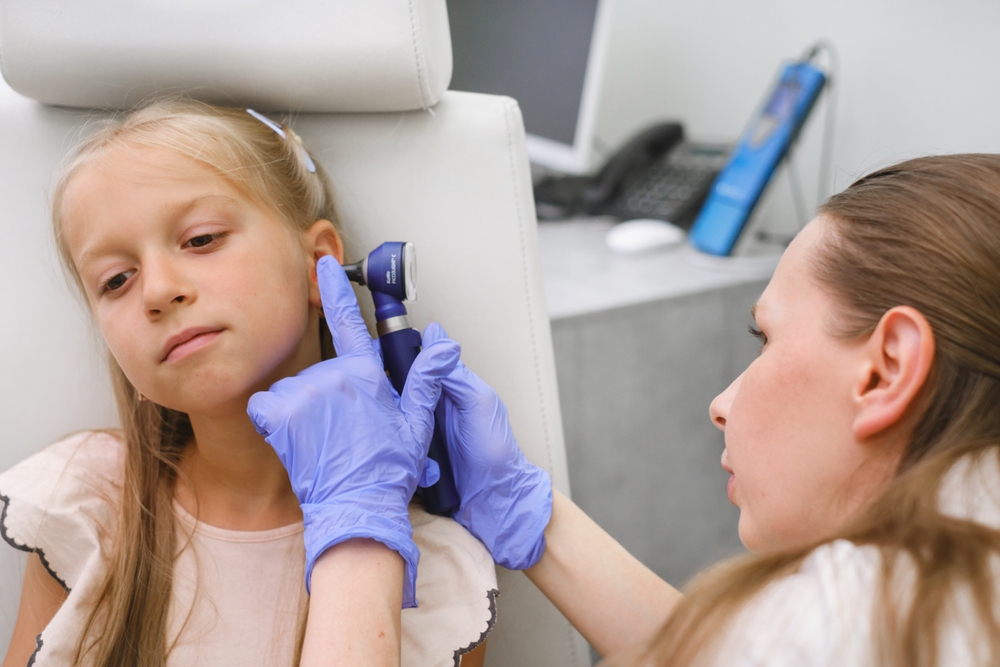
A clinical audiologist carries out age-appropriate tests to measure hearing thresholds, middle ear function, and speech perception. These tests guide decisions about therapy, amplification, or medical referral.
When structural problems or ongoing infections arise, ENT specialists use an exam, tympanometry, or imaging. Clearing the ear of obstructing material using gentle ear microsuction often precedes repeat testing to confirm true hearing status.
Practical Next Steps For Parents
If you notice any of the above warning signs, book a child’s hearing test as soon as possible. Bring any school reports, infection history, and notes on behaviour or speech to the appointment to speed accurate diagnosis.
Ask for a clear plan from the clinical audiologist that outlines follow-up, therapy, and when to involve ENT or speech-language therapy. Regular communication among providers improves outcomes.
Cerumen impaction can meaningfully reduce hearing. Microsuction ear wax removal performed by trained clinicians clears obstruction safely and may restore hearing immediately. Avoid home irrigation or cotton swabs that risk injury.
Speak face-to-face, reduce background noise, read aloud daily, and repeat instructions calmly. Small environmental changes help children hear and practice language, whether the loss is temporary or permanent.
High-quality research shows that early identification and intervention improve speech and language outcomes. Clinical audiologists and ENT teams follow evidence-based protocols for testing, treatment, and procedures such as microsuction ear wax removal.
When To Get Specialists Involved
Refer to ENT for persistent infections, structural concerns, or when surgery is under consideration. A clinical audiologist remains central for hearing device trials, auditory training, and long-term monitoring. Work with specialists to set clear milestones and review progress regularly.
Next Steps For Testing, Audiology, And Ear Care
If you suspect hearing loss, it’s important to act quickly: schedule a child’s hearing test, consult a clinical audiologist for a full assessment, and consider microsuction ear wax removal if obstruction is suspected. Early intervention gives children the best chance for clear speech, confident learning, and full participation at home and school.