

 By
By Public parks play a vital role in Australian communities. They provide places for children to play, families to gather, and residents to enjoy fresh air and outdoor activity. As cities continue to grow and become more fast-paced, family-friendly parks are becoming more important than ever. The right outdoor furniture for community use, thoughtfully selected park furniture, and practical additions like public waste bins all help transform ordinary green spaces into safe, welcoming environments where families want to spend time.
Why Family-Friendly Parks Matter
Family-friendly parks support healthier, happier, and more connected communities. They give children space to play away from screens, encourage physical activity, and provide opportunities for social interaction between neighbours and families.
In busy urban environments, accessible green spaces also offer an important mental break from traffic, noise, and daily stress. Well-designed parks encourage people to spend more time outdoors, which benefits both physical and emotional wellbeing.
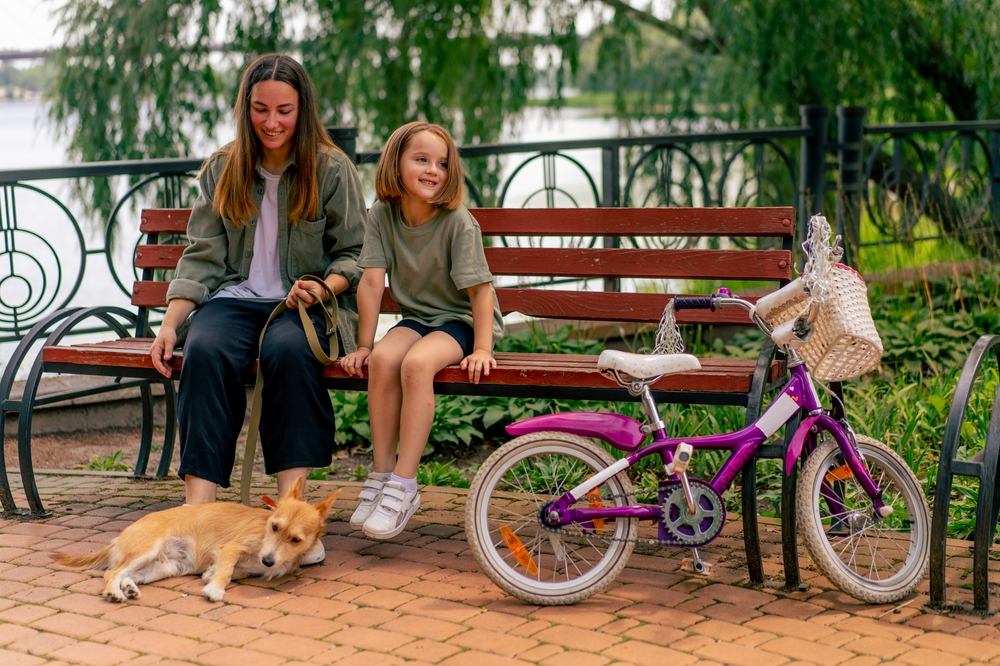
High-quality park furniture helps make these spaces more functional and inviting. Comfortable seating areas allow parents to supervise children with ease, while thoughtfully designed outdoor furniture for community use creates places where families can gather, relax, and connect with others.
At the same time, practical infrastructure such as public waste bins helps maintain cleanliness and keeps parks pleasant for everyone who visits.
The Role of Street and Park Furniture in Family-Friendly Spaces
Street and park furniture plays a major role in shaping how families experience public spaces. Without the right infrastructure, even the most attractive park can feel uncomfortable or difficult to use.
Seating and Picnic Areas
Seating is one of the most important features in any family-friendly park. Parents, grandparents, and carers all need places to rest while children play nearby.
Durable outdoor furniture, such as benches and picnic settings, helps create comfortable gathering areas throughout a park. These spaces encourage longer visits and make parks more enjoyable for families spending the day outdoors.
Outdoor furniture can also support birthday parties, community events, and casual weekend gatherings. Picnic settings positioned near playgrounds or shaded areas help activate the park and encourage social interaction between families.
Waste Management and Cleanliness
Clean public spaces are essential for family-friendly environments. Overflowing rubbish or poorly maintained facilities quickly discourage people from using a park.
Strategically placed public waste bins help reduce litter and support responsible waste disposal. Parks that remain clean and tidy create a safer and more welcoming environment for children and families.
Modern bins can also support recycling initiatives, helping councils encourage more environmentally responsible public spaces.
Accessibility and Comfort
Family-friendly parks should be accessible to people of all ages and abilities. Smooth pathways, shaded seating, and practical amenities all contribute to a more inclusive environment.
High-quality furniture positioned along walking paths provides rest points for older visitors and carers with young children. Similarly, accessible outdoor amenities ensure families can comfortably enjoy public spaces together regardless of mobility needs.
What Furniture Helps Create Better Family Parks?
Successful family parks usually combine several different furniture elements that work together to improve comfort, safety, and usability.
Popular inclusions include:
- Benches and seating clusters
- Picnic settings and tables
- Shelters and shade structures
- Drinking fountains
- Bicycle racks
- Wayfinding signage
- Lighting for evening use
- Durable waste bins for waste management
Together, these elements help create parks that support both recreation and relaxation.
Australian Councils Prioritising Family-Friendly Parks
Across Australia, many councils are investing heavily in park upgrades and community recreation spaces. Urban planners increasingly understand that quality public spaces improve liveability and strengthen local communities.
Councils often prioritise durable park furniture that can withstand heavy public use and changing weather conditions. In growing suburban areas, investment in streetscape furniture helps ensure parks remain practical and welcoming as populations increase.
Many local governments also recognise the importance of maintaining clean parks through the installation of bins, recycling stations, and easy-to-maintain infrastructure.
These investments not only improve daily life for residents but also help attract visitors and support local businesses surrounding popular public spaces.
The Community’s Role in Protecting Public Spaces
Creating great parks is only part of the process. Communities also play an important role in preserving and respecting shared spaces.
Looking after park and street furniture helps ensure future generations can continue enjoying local parks and plazas safely and comfortably. Reporting damage, disposing of rubbish responsibly, and respecting public amenities all contribute to cleaner and more enjoyable spaces.
Families and residents who actively use outdoor furniture for community use also help activate parks and create stronger neighbourhood connections throughout the city.
Building Parks That Bring Communities Together
Family-friendly parks are far more than playgrounds. They are social spaces that support health, connection, and community life. By investing in local park furniture, practical outdoor furniture for community use, and reliable public waste bins, councils can create outdoor environments where families feel safe, welcome, and encouraged to spend time together. As Australian cities continue to grow, thoughtfully designed public parks will remain essential in building healthier and more connected communities for the future.