
- Slade
- November 10, 2025
How Menopause Affects the Pelvic Floor
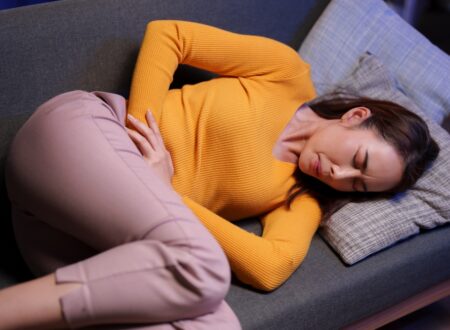
Menopause and perimenopause bring significant hormonal changes that influence the pelvic floor, often leading to issues many women do not expect. As oestrogen levels fall,
Pregnancy and childbirth place significant strain on the muscles that support the bladder, uterus, and bowel. For many women, these changes can lead to a
When it comes to women’s health, reproductive and hormonal issues tend to dominate the conversation. But there’s another topic that deserves far more attention—bowel health.
If you spend most of your day at a desk, you’re not alone—millions of Australians do. But while your job may seem safe from a
Pelvic floor exercises are often the first line of defence for those dealing with pelvic floor problems. Whether you’re experiencing bladder leakage, bowel issues, or
Endometriosis and pelvic floor dysfunction are both common yet often misunderstood conditions affecting many women – and they frequently occur together. If you’re struggling with
Bringing a baby into the world is an incredible experience, but it also places a significant strain on a woman’s body—especially the pelvic floor. Many
Pelvic floor problems affect many individuals, impacting quality of life in profound ways. From weakened muscles to persistent pain, these issues often require specialised care.
When we think of pelvic floor problems, they are often associated with women, especially after childbirth or menopause. However, men can also experience pelvic floor
Pregnancy and childbirth are transformative experiences that affect a woman’s body in many ways. One of the most impacted areas is the pelvic floor, a