

 By
Taking the kids out for a few hours sounds simple enough. A trip to the local park, a stroll along the waterfront or a morning exploring a shopping precinct can be a lovely way to get everyone out of the house. But any mum knows that the little things can quickly turn a pleasant outing into a logistical nightmare. From navigating footpaths with a pram to finding somewhere to change a nappy, public spaces need to work for families. Thoughtful public space furniture, accessible amenities and well-planned pathways all contribute to making everyday adventures easier. Whether it’s your local park furniture or the broader streetscape furniture in your neighbourhood, these amenities can seriously make or break a relaxing outing for parents.
So, what makes a public space genuinely family-friendly? Often, it’s not the big attractions but the practical details that make all the difference.
Pram-Friendly Paths Make Exploring Easier
There’s nothing quite like reaching a beautiful park only to discover that the pathways are uneven, narrow or difficult to navigate with a pram.
Well-designed pedestrian pathways should provide smooth, continuous and sufficiently wide routes that accommodate prams, mobility aids and people walking alongside one another. Gentle gradients, suitable kerb ramps and clearly defined crossings also make moving through public spaces safer and more comfortable.
Importantly, accessible pathways benefit far more than parents with young children. They support older residents, people with disabilities and anyone who finds uneven surfaces challenging.
Good urban planning considers how people actually move through an environment, rather than simply connecting one destination to another. When pathways offer convenient access to playgrounds, public toilets, seating areas and other amenities, families can explore without constantly having to rethink their route.
Shaded Seating: A Welcome Break for Everyone
If you’ve ever spent an afternoon at the playground with a toddler, you’ll understand the importance of somewhere comfortable to sit.
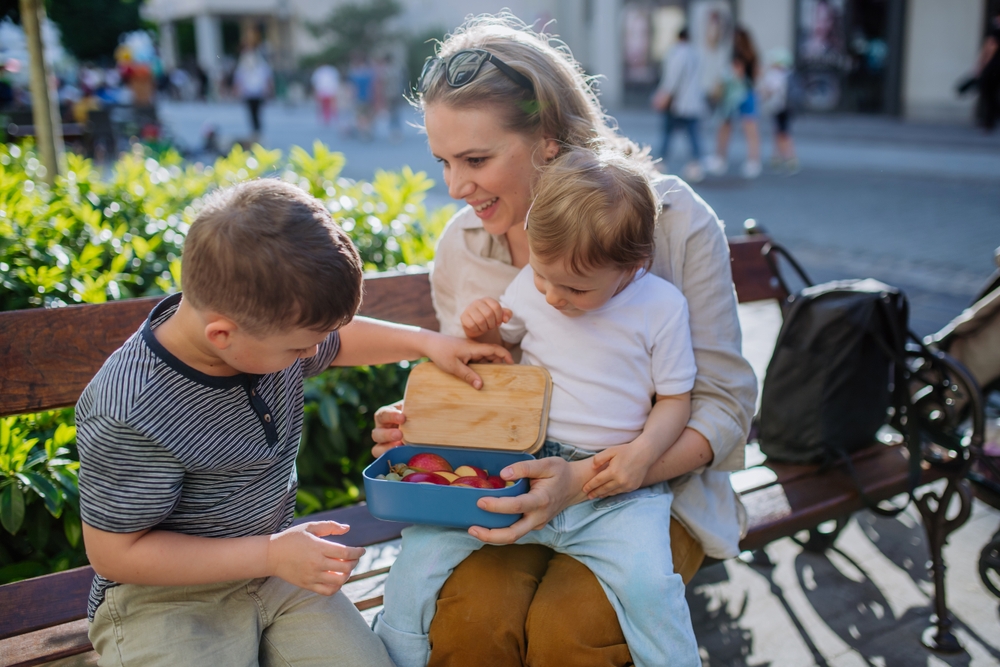
Parents need somewhere to supervise children, feed a baby, enjoy a snack or simply take five minutes while little legs recharge. Well-positioned park furniture, including benches, picnic settings and sheltered seating, makes these breaks much more enjoyable.
Shade is particularly important in Australia, where the sun can make outdoor activities uncomfortable, even during cooler months. Trees and purpose-built shelters provide valuable protection from direct sunlight, while strategically positioned seating allows families to rest without losing sight of their children.
Good seating design also considers different users. Backrests, armrests and accessible seating spaces can make a significant difference for older visitors, pregnant women and people with limited mobility.
Accessible Toilets and Changing Facilities Matter
Few things can derail a family outing faster than an urgent toilet request from a toddler or a nappy that needs changing!
Accessible public toilets, ideally with baby-changing facilities, make public spaces considerably more welcoming for families. Parents also benefit from facilities that provide enough room to manoeuvre a pram, accommodate different mobility needs and allow caregivers to assist young children comfortably.
Location matters, too. Toilets should be easy to find and conveniently positioned near playgrounds, recreation areas and other popular gathering spots.
These facilities might not be the most exciting part of urban design, but they play an enormous role in determining whether families feel comfortable spending longer periods outdoors.
Drinking Fountains Keep Everyone Hydrated
Between running around playgrounds, walking along pathways and exploring new places, children can work up quite a thirst.
Conveniently located drinking fountains encourage visitors to refill their water bottles and stay hydrated without having to leave the area. Accessible designs can also accommodate different heights and mobility requirements, making them useful for children and adults alike.
In warmer Australian weather, access to drinking water becomes particularly valuable. Including fountains near playgrounds, walking routes and picnic areas encourages healthier outdoor habits while making public spaces more practical.
Convenient Bins Help Keep Public Spaces Clean
Let’s be honest: outings with young children often generate rubbish. Snack wrappers, empty drink cartons, tissues and the occasional nappy all need somewhere to go.
Conveniently positioned bins help families dispose of waste responsibly rather than carrying it around or leaving it behind. However, placement is important. Bins should be easy to access without obstructing pathways, entrances or seating areas.
Well-designed streetscape furniture also contributes to the overall appearance and functionality of public environments. When bins, seating, shelters and other amenities complement their surroundings, they create cleaner, more organised spaces that encourage people to spend time outdoors.
Designing Public Spaces With Families in Mind
The best public spaces don’t simply look attractive. They consider the people who use them and the different needs they bring.
For families, that means combining public space furniture like accessible pathways, shaded resting areas, suitable amenities and practical infrastructure. It also means considering safety, visibility, maintenance, durable materials and how different facilities work together.
Thoughtful urban design creates environments where parents can relax, children can explore and everyone feels welcome. These principles benefit the wider community, too, encouraging social connection, outdoor recreation and more inclusive neighbourhoods.
The Little Things Make a Big Difference
Making family outings easier doesn’t always require bigger playgrounds or expensive attractions. Sometimes, it’s the simple things that matter most. Well-planned pathways, comfortable park furniture, accessible amenities and thoughtfully positioned public space furniture can transform an ordinary trip into a genuinely enjoyable experience. By prioritising practical, inclusive streetscape furniture and family-friendly infrastructure, Australian councils can create public spaces that work for everyone, from tiny toddlers taking their first steps to parents simply trying to enjoy a coffee while it’s still warm!