

 By
Walk down Chapel Street in Prahran, grab a flat white in Fitzroy or wander through leafy Camberwell, and you’re bound to spot locals carrying grip socks. Reformer Pilates has become Melbourne’s favourite way to move, offering a low-impact workout that feels worlds away from intimidating weight rooms. Yet while studio timetables are packed from dawn until dusk, it’s worth separating genuine health benefits from fitness hype. Whether you’re managing a pelvic floor problem, noticing early hernia symptoms or simply wanting to move better, knowing what the Reformer can and can’t achieve helps you train smarter. Here are some essential insights from a pelvic floor specialist.
What Reformer Pilates does really well
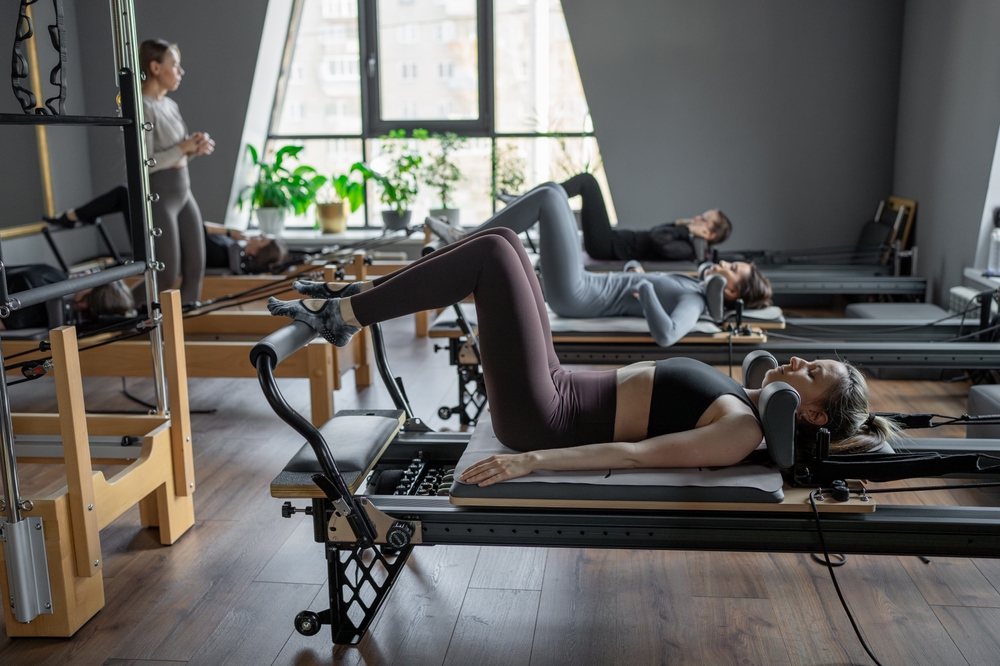
At its core, a Reformer uses a sliding carriage, pulleys and adjustable springs to create variable resistance. Unlike free weights that rely purely on gravity, springs challenge your muscles through both the shortening and lengthening phases of a movement.
Research published in peer-reviewed journals shows that regular Pilates practice significantly improves muscular endurance, postural control and trunk stability. Because the carriage moves beneath you, your deep stabilising muscles, including the transversus abdominis and multifidus, have to switch on constantly to keep you balanced. For Melburnians spending eight hours hunched over laptops or commuting, this kind of controlled resistance builds functional strength that carries over into everyday life and healthier ageing.
Flexibility is another clear win. Rather than forcing passive stretches, Reformer exercises like short spine massage or elephant stretches take your joints through their full range of motion under gentle spring support. Over eight to twelve weeks of consistent sessions, most people notice looser hamstrings, happier hips and less thoracic stiffness.
Where the Reformer has real limits
Despite what enthusiastic studio marketing might suggest, Reformer Pilates isn’t a magic fix for every physical issue. First, it won’t replace heavy progressive overload if your primary goal is building substantial muscle mass. While springs offer great resistance, they rarely match the mechanical load of compound barbell lifts required to stimulate maximal hypertrophy or combat advanced osteoporosis.
Second, a standard group class isn’t a substitute for targeted medical rehabilitation. In gyms and studios, one instructor often supervises 12 to 25 people at once. If you’re post-partum or you’re experiencing sharp joint pain, disc irritation or unexplained hernia symptoms like a noticeable abdominal bulge or aching groin strain during exertion, pushing through heavy spring loads can worsen tissue stress.
Is reformer pilates good if you have a pelvic floor problem?
Pelvic health is where nuance matters most, with women disproportionately affected across pregnancy, postpartum recovery and menopause. Breath-synchronised Reformer work can support deep core coordination, because exhaling gently as you press the carriage away encourages natural upward lift through the pelvic muscles.
However, Reformer classes can easily backfire if you have an existing pelvic floor problem or pelvic pain. Many people assume pelvic issues only stem from weakness, yet an overactive, overly tight pelvic floor is equally common. Cueing participants to constantly “draw everything up and in” while holding heavy planks or double-leg lowers creates excessive intra-abdominal pressure. Over time, that downward pressure can aggravate prolapse symptoms, worsen leakage or irritate hernia symptoms along a weakened abdominal wall. Booking an assessment with a pelvic floor specialist allows them to check muscle tone using real-time ultrasound and tailor safe exercise modifications before you return to group sessions.