

 By
By If you have ever taken your children to a local park and found yourself staying much longer than expected, you have experienced the concept of dwell time in action. In urban design, dwell time refers to the amount of time people spend in a public space before moving on. While it might sound like a technical planning term, dwell time has a significant impact on how communities interact, how local businesses perform, and how families enjoy their neighbourhoods. Well-designed public space furniture, comfortable park furniture in Melbourne and beyond, and accessible street benches all play a major role in encouraging people to linger, connect, and enjoy their surroundings.
Why Dwell Time Matters More Than You Might Think
For councils, urban planners, and local businesses, dwell time is often seen as a measure of a public space’s success. If people choose to stay in an area rather than simply pass through it, that space is usually providing value.
Longer dwell times often lead to stronger community connections, increased support for local businesses, and safer, more vibrant public environments. For parents, it can mean having somewhere comfortable to sit while children play, meet friends, or simply enjoy some time outdoors.
The quality of public space furniture often determines whether a park, plaza, or streetscape feels inviting enough for people to stay. Likewise, thoughtfully designed park furniture in Melbourne and other large cities helps transform public areas into destinations rather than shortcuts. Even simple additions like comfortable park and street benches can make a noticeable difference in how people use a space.
The Science Behind Why People Stay Longer
Urban designers have spent decades studying why some public spaces attract people while others remain largely empty. Research consistently shows that comfort, accessibility, safety, and visual appeal all influence dwell time.
Comfort Encourages People to Pause
One of the most important factors is comfort. People naturally stay longer when they have access to quality seating, shade, shelter, and attractive surroundings.
Well-designed streetscape furniture gives people permission to slow down and relax. Parents waiting for children, grandparents enjoying fresh air, or workers taking a lunch break are all more likely to stay if the environment supports them.
This is one reason why councils continue investing in park furniture in Melbourne and other major Australian cities. Comfortable seating and welcoming public spaces encourage regular use and help maximise the value of public infrastructure.
Similarly, strategically placed park and street benches create opportunities for people to rest during walks, making neighbourhoods more accessible for all ages.
People Attract People
Another key principle of urban design is that activity attracts activity. When people see others enjoying a space, they are more likely to use it themselves.
Quality public space furniture creates natural gathering points where conversations can happen and communities can connect. Families often gravitate towards areas where other families are already spending time.
The same principle applies to park furniture, where picnic settings, seating areas, and shelters help create active spaces that feel safe and welcoming. Even a row of well-positioned benches can encourage casual interaction between neighbours who may otherwise never meet.
Why Dwell Time Matters for Parents and Families
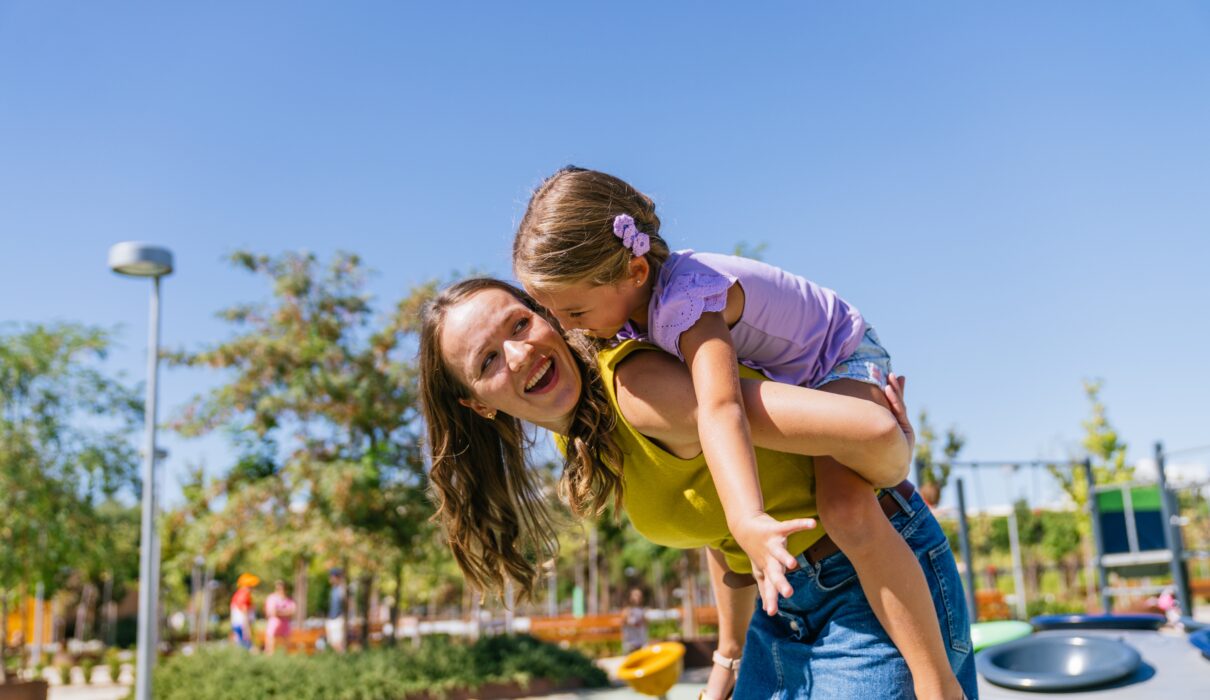
For busy parents, public spaces provide valuable opportunities to step away from screens and spend quality time outdoors. Parks, playgrounds, and community spaces become more useful when they are designed with families in mind.
Comfortable seating allows parents to supervise children while remaining relaxed themselves. Accessible pathways make it easier for prams and young children to move around safely. Shade structures and picnic facilities extend the amount of time families can comfortably spend outdoors.
Well-designed streetscape furniture helps support all of these activities.
How Does Australia Compare Globally?
Australia performs relatively well when it comes to investing in public spaces and liveable cities. Cities such as Melbourne, Sydney, Adelaide, and Brisbane consistently rank highly in global liveability studies due to their focus on parks, walkability, public amenities, and community infrastructure.
Australian councils increasingly recognise the importance of dwell time in supporting healthy and connected communities. Investment and projects nationwide reflect a growing understanding that public spaces should encourage people to stay, not simply move through.
While there is always room for improvement, many Australian cities continue to prioritise public spaces that support longer dwell times and stronger community outcomes.
Designing Places People Want to Stay
At its core, dwell time is about creating public spaces that people genuinely enjoy using. When communities feel comfortable, safe, and connected, they naturally spend more time outdoors.
High-quality public space furniture, thoughtfully designed park furniture in Melbourne, and accessible street benches all contribute to spaces that support families, strengthen communities, and improve quality of life. For parents especially, these seemingly simple urban design features can make the difference between a quick visit and an afternoon well spent. In a world that often feels rushed and screen-focused, creating places where people want to pause has never been more important.