

 By
By There’s a certain kind of tiredness that sleep doesn’t fix.
You’ve done the day. You’ve ticked boxes. You’ve answered messages, made decisions, kept things moving. But your brain is still buzzing when you finally sit down. You reach for your phone, scroll for a bit, maybe longer than you meant to, and somehow feel worse for it.
Then, on a different day, you do something simple. You plant herbs. You bake something slowly. You paint badly. You fix a loose handle. And without really trying, you feel better.
That shift is not luck. It is your nervous system settling.
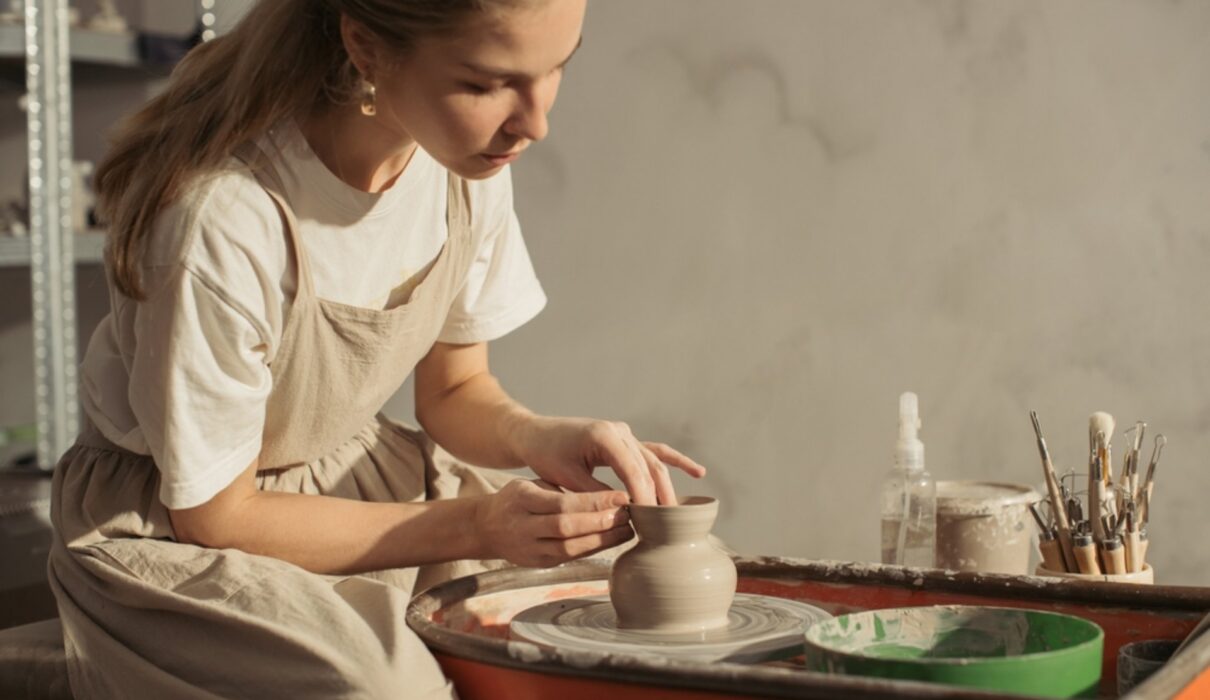
Hands-on hobbies work because they pull you out of the constant mental noise and back into something real, something you can touch, shape, and finish.
Your Brain Needs a Break From Thinking
Most of modern life lives in your head. Planning, worrying, remembering, deciding. It is relentless.
When you pick up a hands-on hobby, you give your brain a different job. Instead of spinning through thoughts, it focuses on action. Cut this. Stir that. Place this here.
This kind of focus reduces activity in the part of the brain linked to overthinking. Studies in Frontiers in Psychology show that repetitive, creative tasks can lower cortisol, which is the hormone tied to stress.
You are not escaping your thoughts. You are giving your brain a chance to rest from them.
Stress Shows Up in Your Body Too
Stress is not just mental. It is physical.
It can affect your skin, your digestion, your energy levels. If you have noticed changes like breakouts or fatigue during stressful periods, there is a reason for it.
There is a strong link between stress and gut health, and even your daily energy levels can shift depending on how regulated your system feels.
Hands-on hobbies help bring that system back into balance. They lower cortisol, support better sleep, and create a rhythm your body can settle into.
They are simple, but they are powerful.
You’re Not Lazy. You’re Overloaded
If you have struggled to stick with hobbies, it is easy to blame yourself.
But often, the issue is not motivation or laziness. It is overload.
When your brain is constantly fed quick bursts of content, it becomes harder to engage with slower, deeper activities. That is why hobbies can feel difficult at first.
It is not because you have lost interest forever. It is because your attention needs time to adjust.
This is where rediscovering your passion becomes important. Start small. Lower the pressure. Let it feel easy again.
Why Scrolling Doesn’t Actually Relax You
Scrolling on social media feels like rest. It looks like rest. But it rarely works.
Scrolling keeps your brain in a state of alertness. New information. New comparisons. New things to react to. You never quite switch off.
That is why so many people are trying to break the habit and find healthier ways to unwind, like learning how to step away from constant doomscrolling.
Hands-on hobbies are different. They slow things down. They create a single point of focus. Instead of consuming, you are creating. That shift matters more than people realise.
The Power of Finishing Something
So much of life feels unfinished. Emails sit unanswered. Tasks roll into the next day. There is always more to do.
Hands-on hobbies give you something rare. A clear end.
You plant the herbs. You finish the puzzle. You sand the shelf. You cook the meal.
That sense of completion reduces mental clutter. Psychologists call it task closure. Your brain recognises that something is done, and it relaxes.
This is why small, tangible projects like easy home improvements you can complete over a weekend feel so satisfying. You can see the result. You can point to it. You know it is finished.
Moving Your Body Without Calling It Exercise
Not everyone wants a structured workout. Sometimes the idea of a gym session feels like just another thing to push through.
Hands-on hobbies offer movement in a different way. You are bending, stretching, lifting, using your hands. It feels natural rather than forced.
Even low-level movement like walking in the park, gardening, or yoga helps reduce stress. It improves circulation, releases endorphins, and eases physical tension.
If you enjoy something more active, exploring local running routes or getting out on the water for a kayak session can take that benefit further. But it all starts with simply moving your body in a way that feels good.
You Get Out of Your Head and Into the Moment
Stress thrives on what-ifs and what-nexts.
Hands-on hobbies anchor you in what is happening right now. The smell of soil. The texture of paint. The rhythm of chopping vegetables.
This kind of sensory focus grounds you. It brings your attention back to the present, which is one of the most effective ways to reduce anxiety.
It also gives your brain a break from constant decision-making. Instead of juggling big, abstract choices, you are making small, manageable ones. That shift alone can feel like relief.
Creativity Isn’t About Being Good at It
A lot of people hold back because they think they are not creative.
But creativity is not about talent. It is about doing.
You do not need to be good at painting to enjoy it. You do not need to be a skilled gardener to feel calm while planting something. The benefit comes from the process, not the result.
Research from the American Art Therapy Association found that just 45 minutes of creative activity can significantly lower stress levels, regardless of skill.
Even tending to a small garden by planting fragrant flowers or herbs can change how you feel. You are engaging your senses, slowing your pace, and creating something that did not exist before.
The Quiet Importance of Doing Things With Other People
Some hobbies are better shared.
A book club. A casual sports team. A local class. Even something as simple as cooking with friends.
Connection plays a huge role in stress reduction. Humans are wired for it.
If you have ever noticed how friendships impact women’s health, you will know that it is not just about conversation. It is about feeling supported, seen, and less alone.
Hands-on hobbies often create these moments naturally. There is less pressure than a formal catch-up. You are doing something together, which makes connection feel easier.
When a Hobby Starts to Grow
Sometimes, what begins as a way to relax turns into something more.
You start selling what you make. You take on small projects. You realise you could turn this into a side income.
There is nothing wrong with that. But it helps to be clear on what you want from it.
Turning a hobby into a business changes the experience. Deadlines appear. Expectations shift. The thing that helped you unwind can start to feel like work.
If you are exploring that path, it is worth understanding where the line sits between a hobby and a business, and whether crossing it will still give you what you need.
At the same time, the rise of small creative ventures shows something important. People want more meaning in what they do. They want to work with their hands, not just their screens.
Simple Ways to Start Without Overthinking It
You do not need a big plan. You just need a starting point.
Pick something that feels easy, like cooking or baking something different, sketching, planting your garden or pots on your balcony, or building something small.
Try to use as much of what you already have as possible, so you can avoid turning it into a shopping list (and a chore!)
Keep it short – ten or fifteen minutes each day is enough.
Focus on doing, not achieving. Remember, there’s no end goal or deadline here.
Leave it visible, so it’s easy to come back to.
The less friction, the more likely you are to keep going!
Why Hobbies Matter Right Now
Life is not slowing down. If anything, it is getting faster.
More information. More demands. More pressure to keep up.
Hands-on hobbies offer a counterbalance. They give you something steady, something quiet, something real.
They remind you that not everything needs to be efficient or optimised. Some things can just be done because they feel good.
And that is enough.
Choose a Hands-On Hobby to Help Reduce Stress and Improve Daily Wellbeing
If you are looking for something that genuinely helps, this is a strong place to start.
Hands-on hobbies shift your focus away from constant thinking and into doing. They calm your nervous system, reduce stress hormones, and create moments of real presence. Over time, they support better sleep, more stable energy, and a clearer mind.
They also give you something that modern life often takes away. A sense of completion. A sense of control. A sense that you can step out of the noise, even briefly.
You do not need to change everything. Just begin with one small thing you can do with your hands.
That is often where the shift starts.