

 By
By Walk through any beauty aisle or scroll through social media and you’ll see something surprising: children and tweens building elaborate skincare routines once reserved for adults. Influencers and beauty trends have made serums, acids, and anti-ageing products look essential, even for young skin. But dermatologists increasingly warn that many of these routines do more harm than good. While active skincare ingredients can benefit adults with specific concerns, they often overwhelm young skin that simply doesn’t need them. Parents and teens searching for the best teenage skin care products should understand that most adolescent skin requires far less intervention than social media suggests. In particular, ingredients commonly discussed in debates like retinal vs retinol are designed for ageing skin, not developing teenage complexions.
Let’s have a look at why this trend is becoming a real concern globally.
Why Young Skin Is Different
Children and teenagers have skin that functions differently from adult skin. It tends to regenerate quickly, produce strong natural oils, and maintain a resilient barrier.
Because of this, most young people don’t require potent active skincare ingredients designed to accelerate cell turnover or stimulate collagen production. These ingredients solve problems that teenagers generally don’t yet have.
Instead of improving skin health, overuse of actives can trigger irritation, redness, and long-term sensitivity. Many dermatologists report that teens now show up with compromised skin barriers due to the overuse of trending products.
Ironically, teens searching for the best teenage skin care products often end up buying formulas that are completely unnecessary for their age group.
The Social Media Skincare Boom
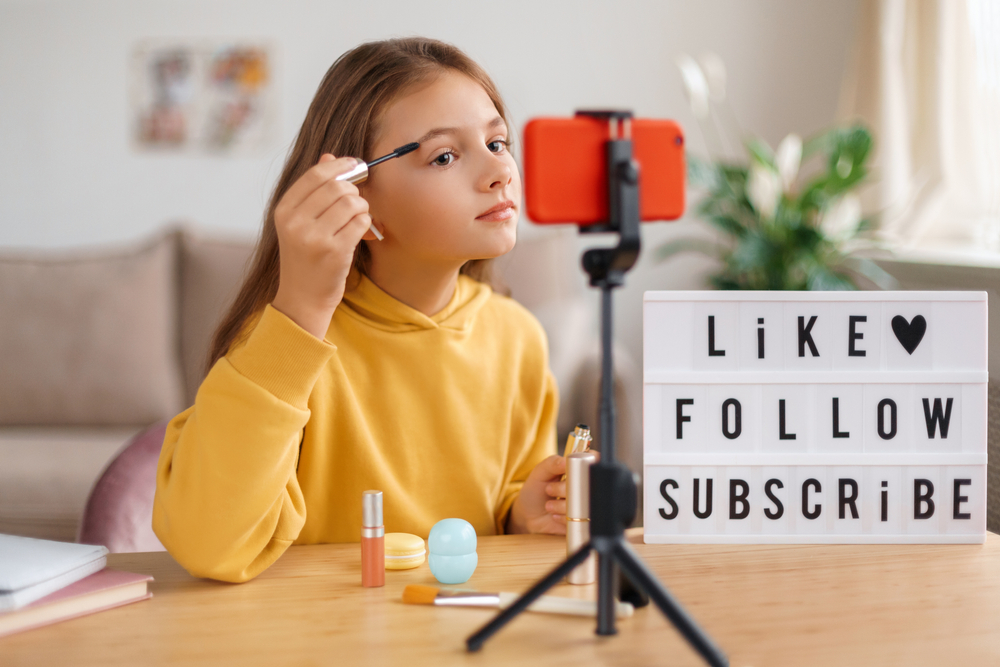
Platforms like TikTok and Instagram have played a major role in driving the tween skincare trend. Influencers routinely promote elaborate multi-step routines featuring acids, peptides, and retinoids.
Young viewers often try to replicate these routines without understanding what the ingredients actually do. Discussions around retinal vs retinol, for example, typically target anti-ageing benefits. These ingredients increase cell turnover and collagen production, effects that adults use to combat wrinkles.
For teenagers, however, those concerns rarely exist. Using these ingredients too early can cause dryness, irritation, and even worsen breakouts.
Experts increasingly warn that trends aimed at adults should not automatically translate into teenage routines.
Ingredients Teens Should Approach Carefully
Certain ingredients appear frequently in viral skincare routines but can create problems for younger users.
Retinoids
The debate around retinal vs retinol centres on potency and speed of results. Both ingredients fall under the vitamin A family and stimulate skin renewal.
While retinoids help reduce wrinkles and sun damage in adults, teenagers generally don’t need these effects. In young users, they can cause peeling, redness, and sensitivity to sunlight.
Strong Exfoliating Acids
Glycolic acid, salicylic acid, and other exfoliants remove dead skin cells. When used correctly, they can help with acne. But excessive use strips the skin barrier.
Many teens stack multiple exfoliating products in pursuit of clearer skin, which leads to damage rather than improvement.
Anti-Ageing Serums
Products marketed for wrinkles rarely qualify for teenagers since they don’t have ageing concerns yet.
Using these formulas simply adds unnecessary ingredients to an already healthy skin barrier.
When Teens Actually Need Skincare
Teenagers do face legitimate skin concerns. Primarily acne caused by hormonal changes.
However, the solution rarely involves complex routines or multiple serums. In fact, many dermatologists recommend a minimal routine built around gentle cleansing, hydration, and sun protection.
The best teenage skin care products often include:
- A gentle cleanser
- A lightweight moisturiser
- Sunscreen
- Targeted acne treatments when necessary
This approach protects the skin barrier while addressing breakouts without overwhelming the skin.
Even in acne cases, introducing active skincare should happen cautiously and ideally under guidance from a dermatologist.
The Skin Barrier Problem
One of the most worrying outcomes of the tween skincare trend is damage to the skin barrier. The barrier acts as the skin’s protective shield, preventing moisture loss and defending against environmental irritants.
Overusing exfoliating acids, layering multiple serums, or experimenting with ingredients can weaken this barrier.
Once compromised, the skin becomes more prone to redness, dryness, sensitivity, and persistent breakouts. In severe cases, the damage can even become permanent.
This situation explains why dermatologists increasingly encourage teens to step away from complicated routines and return to basics.
Simpler Skincare Is Often Better
The skincare industry often promotes complexity. But the reality is that most teenagers benefit from simplicity.
Rather than chasing viral routines, young people should prioritise gentle care and consistency. Look for products formulated for young skin and that support the skin’s natural function rather than trying to overhaul it.
Ingredients designed to treat wrinkles should absolutely wait until adulthood.
For teens, skincare should focus on maintaining a healthy barrier, managing acne carefully, and protecting the skin from sun damage. That’s it.
The Takeaway for Parents and Teens
The rise of tween skincare routines highlights how powerful social media trends have become. But more products don’t necessarily mean better skin.
For most young people, heavy use of active skincare ingredients creates more problems than solutions. Parents looking for the best teenage skin care products should prioritise gentle formulas rather than anti-ageing treatments. And when teens hear debates about ingredients like retinal vs retinol, it’s worth remembering that those conversations largely belong to adult skincare routines. Sometimes, the healthiest approach is also the simplest one, especially for young and developing skin.