

 By
By Whether you’re skiing in the backcountry or trampolining in the backyard, we have an activity tracker for you.
Like every piece of gear you wear on your body day in and day out, fitness trackers are incredibly personal. The best fitness tracker should be comfortable, attractive, and tailored to your lifestyle, including your preferred workout times and methods. Do you bike, row, or do strength training? Do you run on trails for hours at a time, or do you just want a reminder to stand up every hour? Do you want to wear it on your wrist, your finger, or tuck it into your bra?
No matter what your needs are, there’s never been a better time to find a powerful, sophisticated tool that can help you optimize your workouts or jump-start your routine. We test dozens of fitness trackers every year while running, climbing, hiking, or just doing workout videos on our iPads at night, to bring you these picks.
Paleontologist Answers Extinction Questions
Our top pick has consistently been the affordable, versatile Fitbit Charge 6 ($128) or the Garmin Vivoactive 6 ($300), both of which work well with Android and iOS. Don’t see anything you like? Don’t forget to check out our other fitness and health guides, like the Best Smartwatches, Best Smart Rings, Best Sleep Trackers, and Best Heart Rate Monitors.
Updated November 2025: We’ve added the CMF Watch 3 Pro, Amazfit T-Rex 3 Pro, Nowatch B, Coros Apex 4, Garmin Fenix 8 Pro, as well as new information about Fitbit, Garmin, Withings, Oura, and Apple. We are currently testing the Coros Pace 4 ($249).
Best Overall
Courtesy of Fitbit
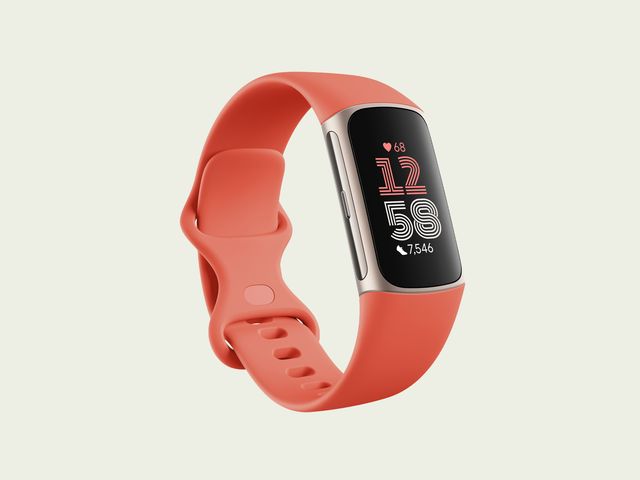
Fitbit Charge 6
Even as Fitbit has faced stiff competition from other manufacturers—most notably, the Apple Watch—its trackers have always won me over. They hit a very specific sweet spot between attractiveness, affordability, accessibility, and ease of use. They’re perfect for everyone who isn’t an ultra-marathoner or a semipro powerlifter trying to hit a PR, and Fitbits are compatible with iOS and Android.
The Fitbit Charge 6 (7/10, WIRED Recommends) now has many integrations from Google, Fitbit’s parent company. The redesigned app looks much more modern and is much better organized. You can now get directions from Google Maps, pay with Google Wallet, and control your music with a YouTube Music Premium subscription. You can also check your skin temperature and 24/7 heart rate readings, take ECGs, and track your activities and sleep schedule in the newly Google-fied app. The battery charge lasted well over a week, and the physical button is back, baby! Finally, this comes in a package that costs $160 (though it’s often on sale).
In August 2025, Fitbit announced a Fitbit app redesign with the Personal Health Coach at its center. It’s a health coaching service that uses Google’s Gemini AI chatbot to provide personalized health and fitness advice and is included in the $10/month Fitbit Premium subscription. At $160, the Charge is a pretty easy and affordable way to check out AI-enabled health coaching without breaking the bank. Read our Best Fitbits guide for more options.
| Specs | |
|---|---|
| Battery life | Up to 7 days |
| Water resistance | 5 ATM (can be submerged up to 50 meters) |
| Incident detection | No |
| Blood oxygen monitoring | Yes |
Runner-Up

Photograph: Adrienne So
Garmin Vivoactive 6
Garmin makes wonderful, accurate fitness trackers that work well with iOS and Android. This year’s Vivoactive 6 (8/10, WIRED Recommends) is the latest, midrange addition to Garmin’s lifestyle Vivoactive line. It’s accurate as well as attractive, and draws upon the predictive powers of Garmin’s many proprietary algorithms like Morning Report and Body Battery.
It has onboard satellite connectivity so it doesn’t need to be tethered to your phone, and a bright AMOLED display that lets you see your stats, unlike Garmin’s entry-level Vivomove line. It also has blood oxygen monitoring in addition to sleep tracking, heart rate measurements, and incident detection to tell your emergency contacts if you fall. Garmin also launched an AI-enabled subscription service, Connect+, which is $70 per year and gets you features like live tracking on compatible smartphones (similar to what you’d get with an Apple Watch) as well as Garmin’s AI-powered Active Intelligence. One of the biggest pluses with a Garmin is that its Connect software has always been free, and our verdict is that you can do without the subscription service.
| Specs | |
|---|---|
| Battery life | Up to 11 days |
| Water resistance | 5 ATM |
| Incident detection | Yes |
| Blood oxygen monitoring | Yes |
- Best Smart Ring
Photograph: Simon Hill
Photograph: Simon Hill
Oura Ring 4
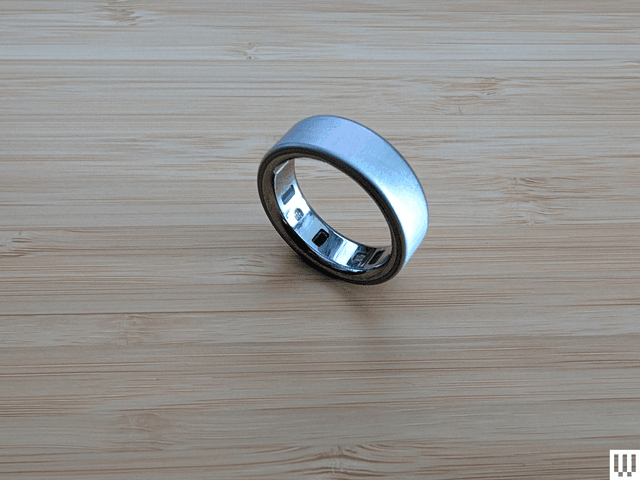
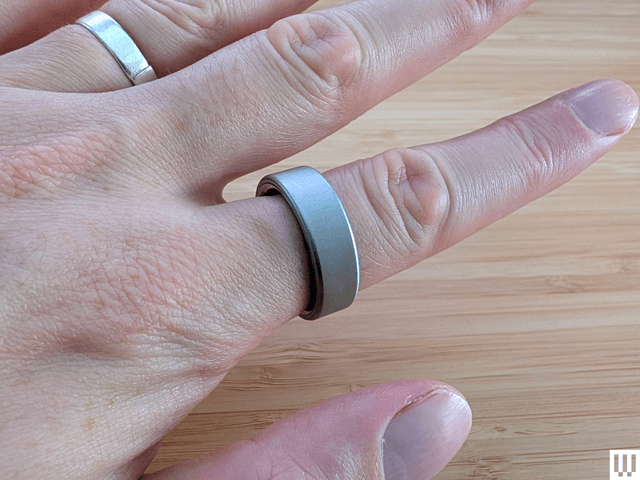
I wear an Oura Ring 4 (9/10, WIRED Recommends) constantly. The latest version has new colors and a wider range of sizes, and the sensors are recessed inside the body of the ring to make it thinner and lighter. The sensors are also placed asymmetrically and, combined with a new Smart Sensing algorithm, continuously adapt to taking the best measurement at any given time, no matter what’s going on with your hands. (No, don’t tell me.)
While the Garmin Fenix 8 is one of the best fitness trackers on the market, the Oura Ring caught a night of insomnia and several more hikes per day. The battery life is also better than the last Oura Ring, and the app is easy to navigate. The experimental Oura Labs feature lets the company continuously test new features that end up making their way into the app permanently, like Symptom Radar, which tracks metrics like resting heart rate and temperature trends to let you know if you’ve started exhibiting cold- or flu-like symptoms. The company is continually updating its software, such as its integration with the Dexcom Stelo (see below). Now I can layer my glucose measurements in Oura’s Timeline feature to see how my activity level and meals reduce my glucose readings. The company also recently partnered with Quest Diagnostics to take relatively affordable blood panels to check on 50 metabolic markers, a feature that I am currently testing.
WIRED reviewer Simon Hill and I both tested the Brushed Silver model, which is simply the best-looking smart ring around, but it now also comes in a ceramic version and has a stylish charging case. There is also multi-ring support in the app, so you can swap out rings with each outfit. The best features are still paywalled behind the $6/month Oura membership. Non-paying members are stuck with the basics: Sleep, Readiness, and Activity scores, as well as the Explore content, which includes meditation videos and advice clips that I have mostly found useless.
| Specs | |
|---|---|
| Battery life | Up to 8 days |
| Water resistance | 10 ATM |
| Incident detection | No |
| Blood oxygen monitoring | Yes |
A Screenless Band
Photograph: Adrienne So

Photograph: Adrienne So

Photograph: Adrienne So
MG Fitness Band
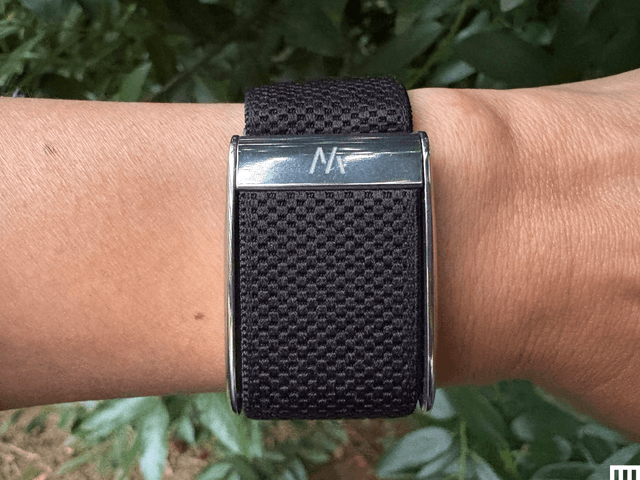
Whoop’s business model is unique. If you commit to a year-long subscription fee for the price of a regular fitness tracker, the company throws in the sensor for free. (You have to buy the additional Whoop Body garments yourself.) The company recently updated the wearable to the new Whoop 5.0 and the Whoop MG (8/10, WIRED Recommends); both are smaller and more energy-efficient, and the Whoop MG has ECG capabilities and the ability to take your blood pressure via a proprietary algorithm—a feature which even the Apple Watch has yet to offer.
Whoop has taken several measures to make its biometrics more appealing to everyday users, as well as performance athletes. For example, it now counts your steps in addition to its proprietary Strain algorithm, which takes into account muscular as well as cardiovascular effort. There are also new Healthspan and Pace of Aging features, which let you see how the decisions you make will increase your lifespan (theoretically). It’s worth noting that Whoop membership now has three tiers, and to get the new Healthspan, ECG, and blood pressure capabilities, you have to pay for the highest Whoop Life tier at $359/year. However, that is what the original $30/month Whoop membership cost, and Whoop throws in the updated Whoop MG for free.
I tested the Whoop MG with the Whoop Life membership. Blood pressure readings have to be calibrated with a separate cuff, but Whoop’s algorithm appears to be in line with the cuff’s readings. The Whoop MG is noticeably smaller than the Whoop 4.0. It’s screenless and works when slipped into my clothes. Hot on the heels of Oura, Whoop also started offering blood panels, albeit much pricer ones (Whoop’s are $199 per test, $349 for two tests per year, or $599 for four tests per year, as compared to Oura’s $99 per test). All that is to say, this is probably the best fitness tracker if you really want to push yourself and think that 17,000 steps a day isn’t enough working out.
| Specs | |
|---|---|
| Battery life | Up to 14 days |
| Water resistance | Rated IP68 |
| Incident detection | No |
| Blood oxygen monitoring | Yes |
-
Best Continuous Glucose Monitor

Courtesy of Dexcom
Stelo
No tracker I’ve tested has generated as much interest as a continuous glucose monitor (CGM). It’s a small, Bluetooth-enabled sensor with a tiny needle that slides under your skin. When you click it onto your arm with the included dispenser, it feels like getting flicked with a finger. It doesn’t hurt while you’re wearing it, but it does fall off and needs to be replaced every two weeks. These were originally approved for use by diabetics, but are now approved to be sold commercially.
I also tested the Abbott Lingo, but I like the Dexcom Stelo better. The dispenser is easier to use, the application process is friendlier and more secure, and the app is simpler—no proprietary metrics to confuse you. Dexcom also has partnerships with both Oura and Apple, so your glucose data can seamlessly integrate with your other trackers. The app sends you a glucose spike alert every time you’ve stressed your body out by eating too much sugar or carbs instead of protein and fiber. A 2018 Stanford study also showed that many people have prolonged blood sugar spikes and don’t know it, which can lead to cardiovascular disease and other bad outcomes down the road. I find it a little difficult, mentally and emotionally, to monitor my food intake this closely. If you’re prediabetic or a pro athlete who wants to optimize their fueling, you’ve probably been waiting for a good commercially available CGM for some time. Now it’s here.
| Specs | |
|---|---|
| Battery life | Up to 14 days |
| Water resistance | Waterproof up to 8 feet deep |
| Incident detection | No |
| Blood oxygen monitoring | No |
Best Budget Fitness Tracker

Photograph: Adrienne So
Nothing CMF Watch 3 Pro
As a company, Nothing is distinguished by its quirky charm, so I was not surprised to discover that I love the retro look of the CMF Watch 3 Pro. (CMF is a sub-brand of Nothing.) This is a fully-featured fitness tracker with a new optical heart rate sensor that is extremely accurate. When I compared live heart rate readings with my Oura Ring 4, they tallied exactly. (It did overestimate my time spent asleep by as much as an hour on some nights.)
CMF’s proprietary metric is Active Score, which takes into account your heart rate data and MET values (metabolic equivalent of task) to determine if you’ve been active enough that week; as a medium-active mid-forties parent, I blew this score through the roof every day and did not find it helpful. But it weighs a remarkably little 51 grams, and the battery lasts for well over a week with tracking multiple activities per day. The screen is bright and easy to read in daylight. It tracks everything you need, like sleep, blood oxygen, stress, and 131 different activities, with smart activity recognition. It has dual-band GPS monitoring, an accelerometer, and a gyroscope for accurate activity measurement. There’s even a custom running coach, although it’s markedly less flexible and more difficult to adjust than other built-in running coaches I’ve tried. But the interface is delightful to use and scroll through—the graphic for live monitoring your heart rate is particularly fun to watch—and it’s relatively accurate. And it also costs under $100!
| Specs | |
|---|---|
| Battery life | Up to 13 days |
| Water resistance | IP68 |
| Incident detection | No |
| Blood oxygen monitoring | Yes |
-
The Best Outdoors Watch
Photograph: Adrienne So
Garmin Fenix 8 AMOLED
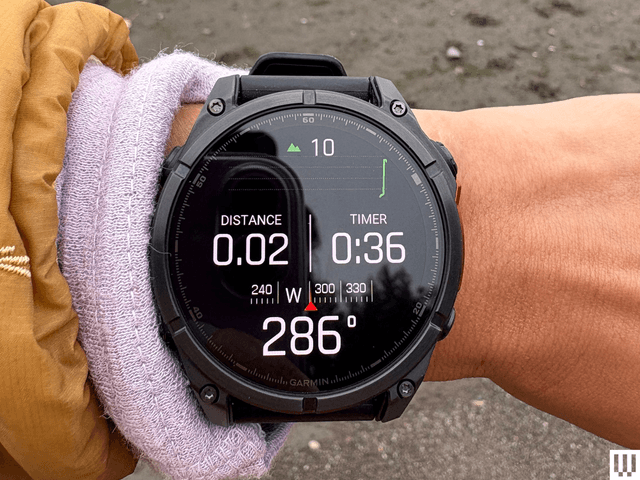
Garmin has combined features from its previous Epix and Fenix lines back into the Fenix 8 AMOLED. You get the updated, hugely bright AMOLED screen of the Epix with the much longer battery life of the Fenix (longer than two weeks for the 47-mm model, in my testing). It also comes in the Fenix E version ($800), which is cheaper and has a less bright MIP display. Now there’s also dynamic routing, which lets you enter how far you want to go into the watch, and then it will route you home on time. This is why you buy a Garmin outdoors watch—so you can figure out where you are and find your way home.
This is the best outdoor sports watch money can buy. It’s compatible with both Android phones and iPhones, and the screen is ridiculously bright—not that it gets super sunny in Oregon in the winter, but it’s noticeably brighter outdoors than other Garmin displays. You get everything you need for almost every sport, most notably Garmin’s proprietary off-grid maps, which include SkiView for ski resort maps and golf course maps. There are leakproof buttons for scuba and a microphone and speaker for voice commands when you’re off-grid. There’s a built-in flashlight! No more relying on a phone flashlight with a 17 percent battery when you’re out hiking later than you expected.
Garmin Connect is included with the purchase of the watch, which means that you won’t have to pay a subscription fee to use its best features, which now include suggested strength-training workouts if you’ve also recently become obsessed with weight lifting to prevent you from disintegrating into a bag of dust. It’s also worth noting that Garmin recently launched a Pro version ($1,300) that now has satellite communications. It includes Garmin’s inReach messenger smarts, with text messaging, location check-ins, and Emergency SOS, which hails assistance via Garmin Response. Not sure if you need satellite capabilities? Check out our explainer here.
| Specs | |
|---|---|
| Battery life | Up to 10 days |
| Water resistance | 10 ATM |
| Incident detection | Yes |
| Blood oxygen monitoring | Yes |
Best Running Watch
Photograph: Brent Rose

Photograph: Brent Rose

Photograph: Brent Rose

Photograph: Brent Rose
Garmin Forerunner 970
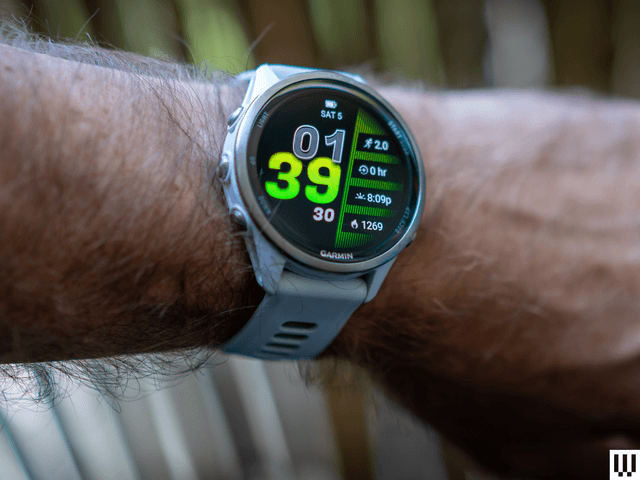
The Garmin Forerunner 970 (8/10, WIRED Recommends) is the latest, high-end iteration of Garmin’s storied running line. It has the biggest, brightest, shiniest AMOLED screen; two weeks of battery life; the best training algorithms and suggestions; and fun extras, like an in-device flashlight, as well as a speaker and microphone for using voice commands.
New training features include your Running Tolerance score, which uses your Acute Impact Load to measure not just how far you ran, but how hard the run felt. It also has Step Speed Loss and Running Economy to help you run more efficiently, although it also needs the new HRM 600 ($170) to measure these. It also has map and navigational features that have been cribbed from the Fenix line, like Round Trip Routing, that will help you plan routes and get you back to your starting point. Garmin also released the new midrange Forerunner 570 ($550) this year, which is cheaper but also has shorter battery life, less-premium materials (Gorilla Glass 3 vs. Sapphire, aluminum bezel vs. titanium), less memory at 8 GB vs. 32 GB, no built-in mapping, and no flashlight. I’d like to point out that Garmin Forerunners age very well, and older models are frequently on sale.
| Specs | |
|---|---|
| Battery life | Up to 15 days |
| Water resistance | 5 ATM |
| Incident detection | Yes |
| Blood oxygen monitoring | Yes |
-
Best If You Have an iPhone

Photograph: Adrienne So
Photograph: Adrienne So
Apple Watch Series 11
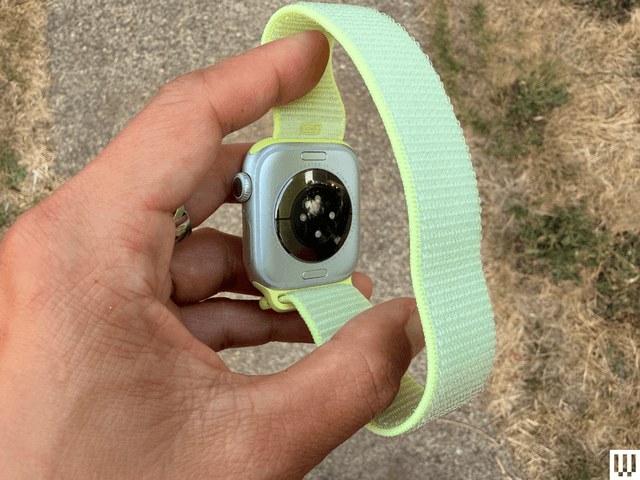
Every year, I say you don’t have to buy the latest Apple Watch if you already have one. This year’s Series 11 is the first exception, because after years of struggling to upgrade the Apple Watch’s battery life, it finally has a full 24 hours. That means you can wear it to sleep without waking up with a drained watch. Going from 15 to 18 hours of wear to the full 24 hours means you can reliably use it to track sleep. In accordance with that, Apple now has a brand-new (and perhaps overly generous) Sleep Score that takes into account bedtime, duration, and interruptions. It’s a lot less comprehensive than many other sleep trackers, but if tracking your sleep makes you anxious, maybe that’s all for the best.
The standout feature this year is hypertension notifications, which have been FDA-cleared and clinically validated; over 30 days, the Health app will ping you if it sees signs of high blood pressure. It has the same slim case and fast charging as last year’s Series 10, and it’s also compatible with WatchOS 26, which means you’ll get the overly eager personalized advice of your very own AI-powered Workout Buddy. Also, blood oxygen sensing is back, baby! WatchOS 26 does mean, however, that you’ll get a lot of these features (including hypertension and blood oxygen sensing) on last year’s Series 10, but don’t buy it if it’s not significantly under MSRP.
The Series 11 is the best Apple Watch for everyday use, but pretty much everyone I know who spends any time outside has a Watch Ultra. The new Watch Ultra 3 is sturdier, has better battery life, and now has onboard satellite communications. For more information, check out our Best Apple Watches guide.
| Specs | |
|---|---|
| Battery life | 24 hours |
| Water resistance | 5 ATM |
| Incident detection | Yes |
| Blood oxygen monitoring | Yes |
Best If You Have an Android Phone
Photograph: Julian Chokkattu
Photograph: Julian Chokkattu

Photograph: Julian Chokkattu

Photograph: Julian Chokkattu
Pixel Watch 4
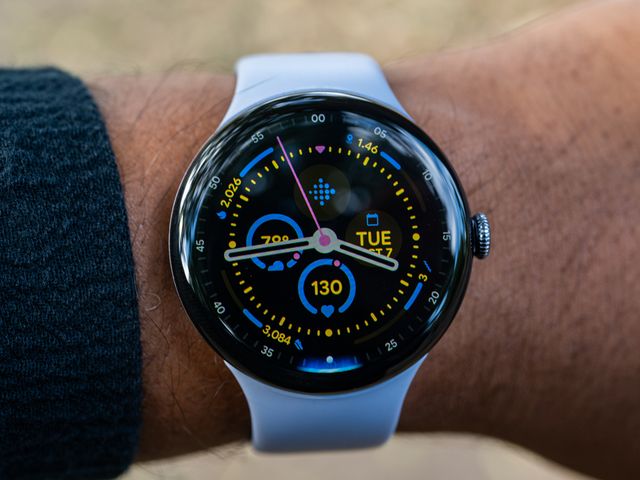
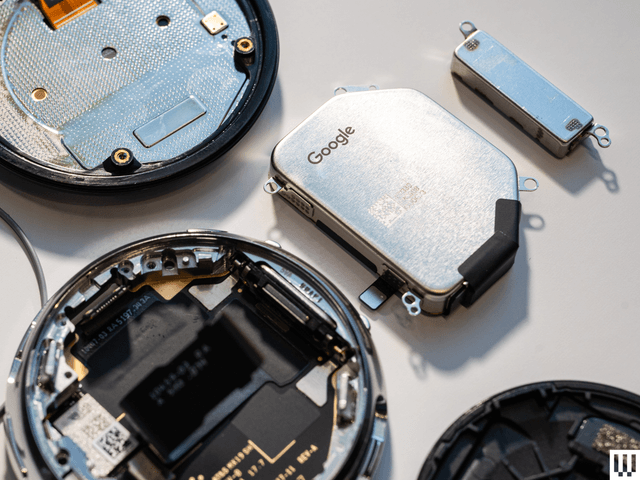
The Google Pixel Watch 4 is the best fitness tracker for Android. It’s fully repairable, which will extend the watch’s lifespan. Google will even sell replacement parts on iFixit so you can fix it yourself. And it also has satellite messaging, so you can take it on off-grid adventures. (While it is technically the first smartwatch with SOS satellite communications for emergencies because it was announced first, Apple’s Watch Ultra 3 was the first one on sale.)
There’s a lot to love about this watch, which I also tested alongside editor Julian Chokkattu. It’s stunning, and fast charging is incredibly convenient. The health and fitness features include better sleep tracking with machine learning, better skin temperature sensing, dual-frequency GPS for better live activity tracking, and fresh exercise options like pickleball and basketball. The fitness metrics are accurate, and like the Charge 6, it also includes Fitbit’s new AI-enabled Personal Health Coach. The interface is also attractive and fun to use, and the screen is 50 percent brighter.
| Specs | |
|---|---|
| Battery life | Up to 30 hours |
| Water resistance | 5 ATM |
| Incident detection | Yes |
| Blood oxygen monitoring | Yes |
Best for Kids
Photograph: Adrienne So
Fitbit
Ace LTE
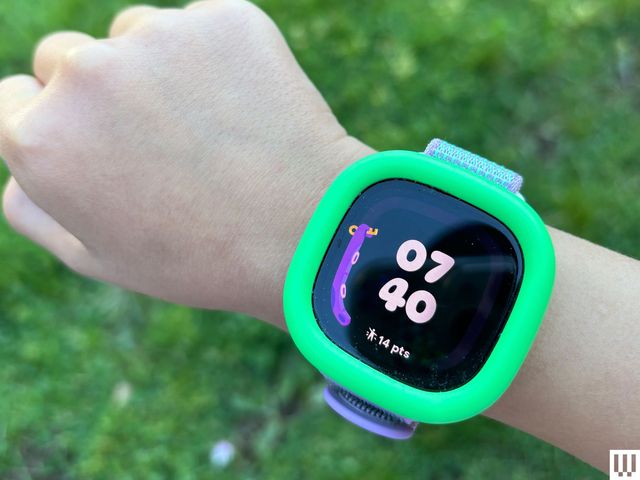
The Fitbit Ace LTE (8/10, WIRED Recommends) is the first fitness tracker I’ve gotten my kids to wear consistently. (They used to wear Apple Watches, but found it difficult to keep them charged.) The Ace is a combination fitness tracker, gaming device, and location tracker that has been incredibly useful and fun for both me and my children as they’ve moved from camp to lesson to pool to neighbor’s house this summer.
It has the full suite of Fitbit’s health sensors, so it can track my kids’ step count and make sure they’re not spending too much time in front of the TV. The $10/monthly subscription pays for both LTE connectivity—so you don’t have to add a line to your cell phone plan—as well as Fitbit Arcade, which has a plethora of fun, time-limited, movement-based games that incentivize my children to keep their watches on. They can call and text me (sometimes too often) and other approved contacts through the Fitbit Ace app, and I can also see their location via Google Find My to make sure they made it back home from a field trip. This has made our summer so much easier. Its childlike aesthetic is probably not going to appeal to kids older than 11, though.
| Specs | |
|---|---|
| Battery life | 16+ hours |
| Water resistance | 5 ATM |
| Incident detection | No, but does have Call for Help feature |
| Blood oxygen monitoring | No |
Best for Samsung Owners

Photograph: Julian Chokkattu

Photograph: Adrienne So

Photograph: Julian Chokkattu
Photograph: Adrienne So
Samsung
Galaxy Watch8 and Watch8 Classic
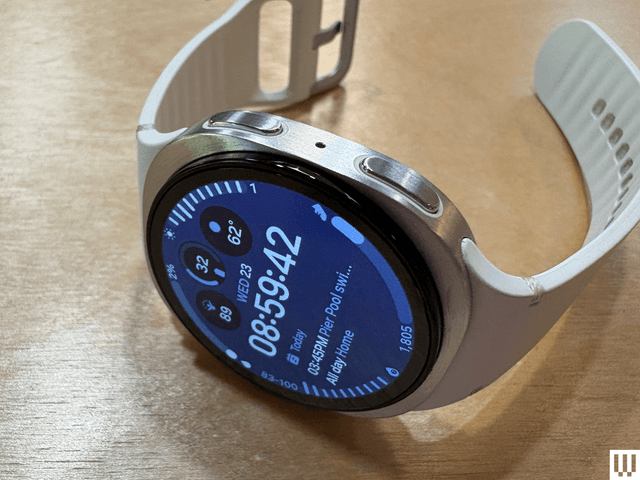
If you own a Samsung phone and a Samsung Galaxy ring, you should also own a Samsung Galaxy Watch8. The ring and watch share health monitoring tasks when worn together, which extends the battery life considerably. The new standout features for the Watch8 include Samsung’s new “squircle” design (what the company is calling a “cushion” design) and a bevy of new health features.
Vascular Load and Antioxidant Index join the AGEs index in offering different metrics to look at your health. Samsung says Vascular Load measures the load on your vascular system (your blood vessels that carry blood throughout your body), which will help you gauge whether habits like drinking alcohol or eating a lot of sodium are affecting your long-term health risk. Unfortunately, neither Julian nor I got actionable results. While in theory, Antioxidant Index seems like a good way to judge if you’re eating enough vegetables, the results were so off-base that it made me laugh. The watch told me my Antioxidant Index was low, and I need to eat more canned pumpkin puree. That’s despite living in Portland, Oregon, at the height of fruiting season, and snacking on fresh berries and plums on every dog walk. The watch is beautiful and easier to use than ever, but the new health features definitely need some work.
| Specs | |
|---|---|
| Battery life | Up to 30 hours |
| Water resistance | 5 ATM, IP68 |
| Incident detection | Yes |
| Blood oxygen monitoring | Yes |
-
Best Analog Watch
Courtesy of Withings
ScanWatch 2
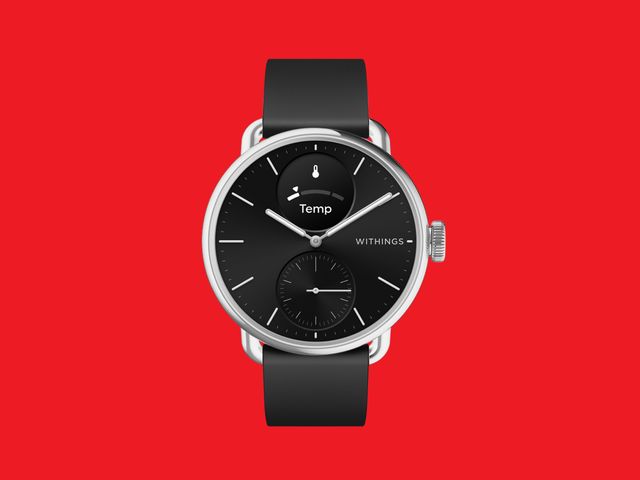
Do you want a tracker that doesn’t look like a tracker at all? Then you want the Withings ScanWatch 2 (7/10, WIRED Recommends). We loved the original ScanWatch (and the Withings Steel before that). This version includes everything we love, including comfort, good looks, long battery life, and a comprehensive suite of health features. It also includes temperature tracking, a new charger, and an unfortunate and unpalatable price hike.
My colleague Simon Hill found the health features comprehensive and generally accurate, including the new temperature tracker. (I tested it as well and found that it wasn’t quite sensitive enough to predict my menstrual cycle with the accuracy of the Oura Ring.) One of the most touted new features is Withings’ new Cardio Check-Up. Withings’ board of certified cardiologists will review ECG data from your watch and send you a medical review of your cardiac health directly through the app. Like many of Withings’ best features, Cardio Check-Up is locked behind a $10/month subscription.
Withings recently updated the ScanWatch 2 with a new operating system, HealthSense 4, with advanced algorithms that will use predictive AI to anticipate health events, like getting sick or when your period is coming. The ScanWatch also works with Withings’ complete health ecosystem, which includes the Withings smart scale, the BPM Vision blood pressure monitor, and the U-Scan pee monitor. If you’re after complete (and post-) full-body monitoring, this is also a great tracker to check out.
| Specs | |
|---|---|
| Battery life | Up to 30 days |
| Water resistance | 5 ATM |
| Incident detection | No |
| Blood oxygen monitoring | Yes |
Best Heart Rate Monitor
Courtesy of Polar Electro
Polar
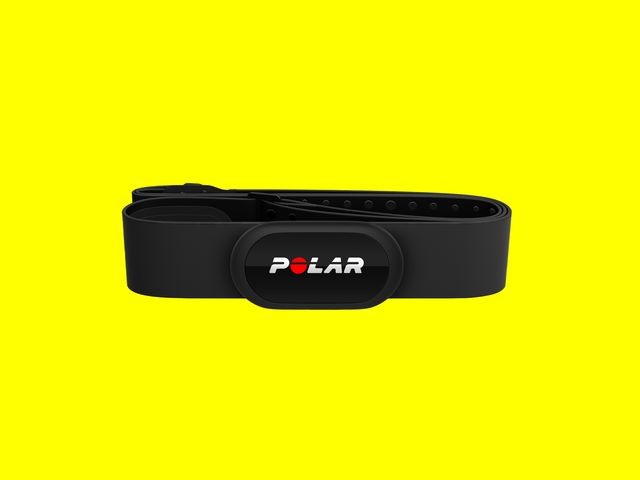
Most fitness trackers have a built-in heart rate monitor, but if you’re engaging in long sessions of intense aerobic activity, you’ll get greater accuracy if you use a separate strap on your bicep or around your chest. Of the heart rate monitors we tested, my colleague Michael Sawh likes Polar’s the best. Polar replaced the typical loop-and-hook connector with a much more comfortable buckle connector, along with small silicone dots to make sure the monitor stays in place.
Comfort and security mean that the readings are much more accurate; Sawh saw (hah!) no drop-outs or underreporting or overreporting of data. It also has built-in memory and ANT+ connectivity, so you can connect to other equipment like bike trainers. You also don’t have to replace the battery for up to a year.
| Specs | |
|---|---|
| Battery life | Up to 400 hours |
| Water resistance | Waterproof |
| Incident detection | No |
| Blood oxygen monitoring | No |
Other Fitness Trackers to Consider

Photograph: Adrienne So
Garmin Instinct 3 for $400: Garmin’s Instinct line doesn’t have as many high-end features as the Fenix 8, but it’s popular because it’s cheaper and it has a cool, chunky retro aesthetic that I love. This year’s updates include the built-in flashlight and a new reinforced bezel, which is good considering that I still managed to bang up the Fenix and Epix watches quite a bit. For more information, check out our guide to the Best Garmin Watches.
Coros Apex 4 for $429: Coros is the king of affordable watches for extreme sportsmen (and women), and the Apex 4 is the company’s alpine watch that Killian Jornet recently used in his States of Elevation project. The battery life lasts forever; it has five specialized climbing modes and vertical GPS, and it can auto-detect climbing routes. I love this watch for climbing.
Coros Nomad for $349: Coros also has an angler-specific sport watch with sport modes for fishing. A new feature called Adventure Journal also lets you record voice memos and pin locations as you’re hiking and running so that you can remember where bathrooms, campsites, or really great berry-picking spots are.
Apple Watch Ultra 2 for $699: I don’t recommend last year’s Watch Ultra 2 anymore because I think the vastly extended battery life (up to 42 hours from 36 hours) plus satellite communications is enough of a reason for any outdoorsperson to just get a Watch Ultra 3. You definitely shouldn’t buy it at full price. But it is compatible with WatchOS 26, so if you can find it significantly on sale, I won’t think you’re dumb for going for it.
Garmin Venu X1 for $800: Garmin’s Venu line straddles an odd niche. It has a polymer case, a nylon strap, and an enormous AMOLED display that is 2 inches across, which is great for displaying built-in maps. It has speakers and a mic for taking calls, and much of the fitness functionality of the Fenix, but without the classy, durable metal bezel or insane battery life. It works fine; it’s just hard to look at it and not think that it’s plastic and costs twice as much as the Apple Watch.
Photograph: Julian Chokkattu
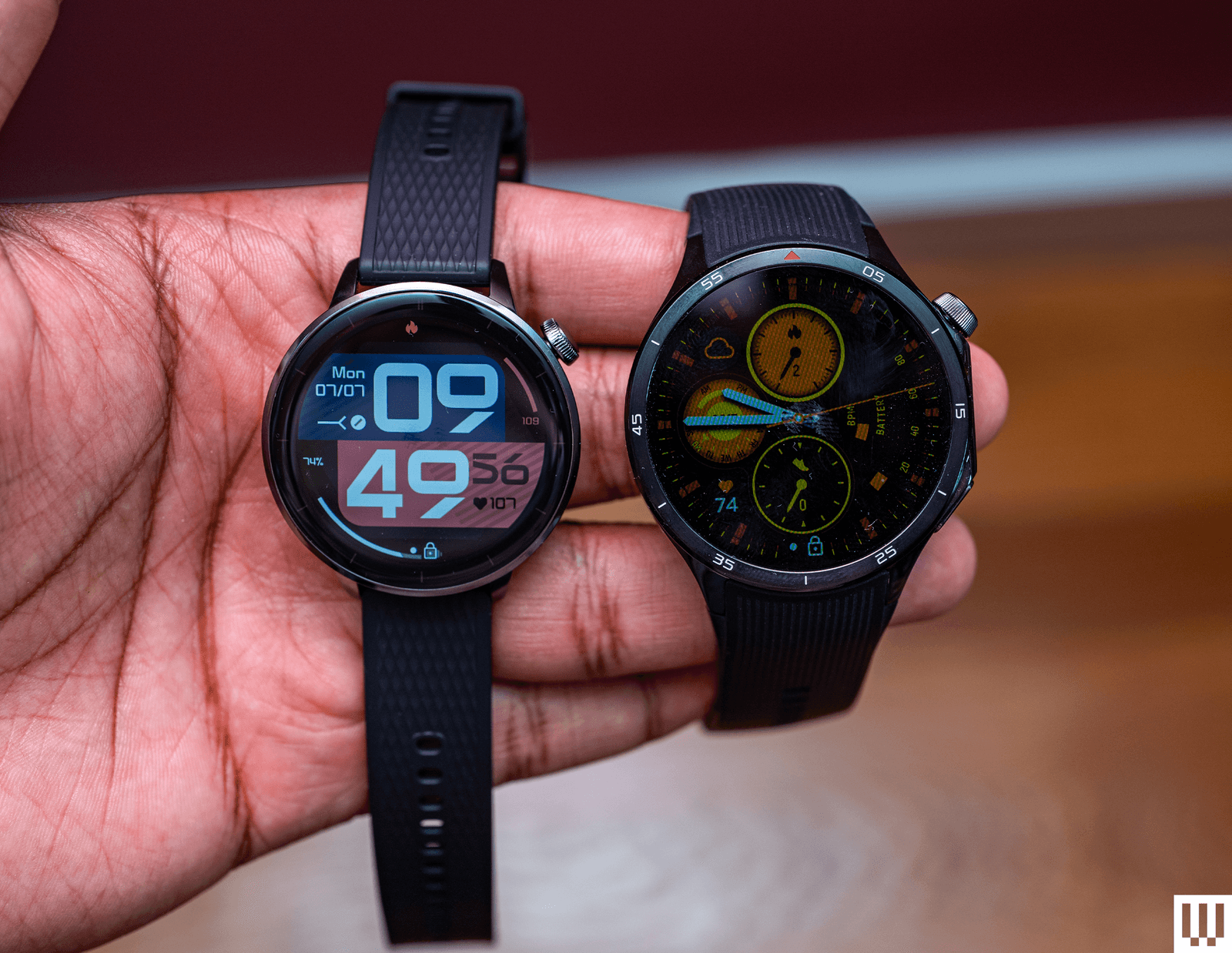
OnePlus Watch 3 for $300: My kingdom for a smartwatch that can last more than a day! The OnePlus Watch 3 (9/10, WIRED Recommends) can last for five days on a single charge. OnePlus now includes many by-now standard health features, like fall detection, a skin temperature sensor, irregular heart rate notifications, and an electrocardiogram. This is another great pick if you want a smartwatch that’s also a good fitness tracker.
Suunto Run for $249: I love how light and slim this watch is (36 grams), especially in the now sold-out Lime. It has a bright AMOLED screen, two weeks of battery life, and accurate dual-frequency satellites. But Suunto’s software is clunky and difficult to navigate when compared to Garmin’s, Coros’s, or Apple’s. Offline maps are also not supported.
Amazfit Bip 6 for $80: Amazfit’s trackers are improving so quickly! Like the Active 2, the Bip 6 is a gorgeous little watch, with a brilliant, big, and responsive AMOLED screen, well over a week of battery life, and 140 sport modes. I still find the tracker and the Zepp app to occasionally be laughably inaccurate, but it’s cheap and comfortable and works well. However, for only $20 more, I’d just get the Active 2 instead.
Xiaomi Smart Band 9 for $45: I was shocked by how much I liked this affordable little fitness band. The 1,200-nit display is clear and bright, and the touchscreen is responsive. The aluminum case feels sturdy, and it tracks your steps and heart rate with reasonable accuracy. However, there’s just no comparing the user experience of the Mi Fitness app versus Fitbit’s, especially at this price. (Yet.)
Photograph: Julian Chokkattu
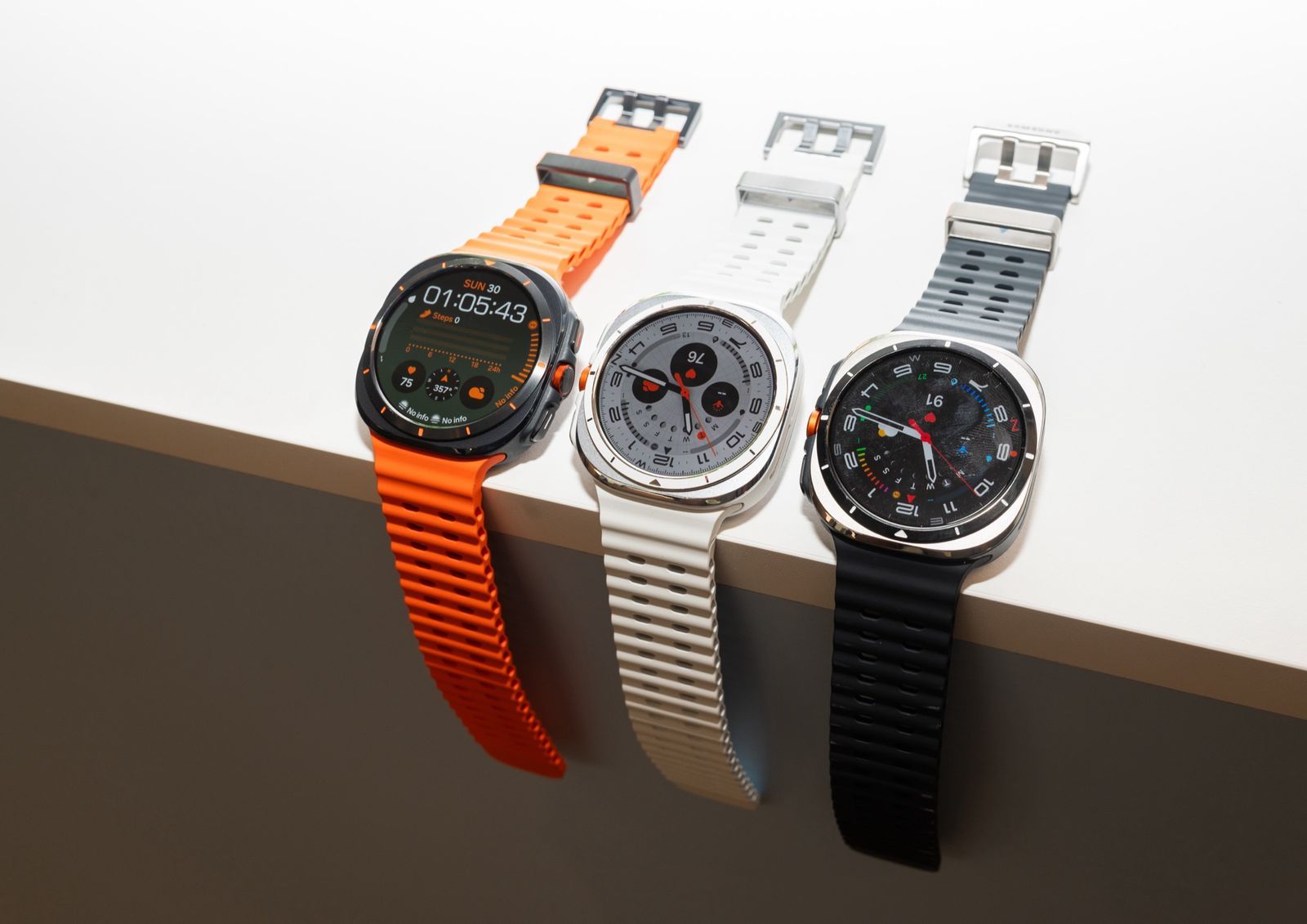
Samsung Galaxy Watch Ultra for $380: Your eyes have not deceived you. Samsung’s Galaxy Watch Ultra (7/10, WIRED Review) is a direct rip-off of the Apple Watch Ultra, but for Samsung phone owners. It even has the Quick button (which Apple calls an Action button) and the Double Pinch feature (which Apple calls Double Tap). Apple’s watch is better, with more sports, a better interface, and better comprehensive algorithms like Training Load and Vitals. However, what the Galaxy Watch Ultra does, it does well, and Samsung has the resources to catch up quickly. It has a sapphire glass face that’s rated to 10 ATM, an IP68 rating, and the ability to withstand elevations as high as 9,000 meters and temperatures as high as 130 degrees. It also has backcountry navigation features, dual-band GPS, a compass, and breadcrumb navigation, which Samsung calls Track Back and which Apple calls Backtrack (this is getting silly). The battery life is still just an adequate two days and change, though. This is the 2025 model, which added more storage and a new color, but you can buy the 2024 model for even less.
Buyer Beware

Amazfit Balance
Courtesy of Amazon
Evie Movano Ring for $269: Evie announced an upgraded version of the Movano, with a medical-journal-trained AI chatbot and improved sleep and heart rate tracking. I tested it and unfortunately did not find enough on offer to rescind my previous opinion (4/10, WIRED Review). The smart ring market has exploded since then, and many new rings have explicitly women-centered features. It simply doesn’t offer enough features to be an attractive product right now.
Nowatch B for $399: This beautiful tracker purports to measure your stress responses every minute. Unfortunately, that uses a ton of battery power; you have to charge it for three hours and recharge it every other day. This is ridiculous, especially since a Fitbit monitors your stress relatively quickly. We’ve been in touch with Nowatch and will retest once the company has refined its algorithm.
Amazfit T-Rex 3 for $280, Amazfit Helio Ring for $200, and Amazfit T-Rex 3 Pro for $400: We have tried everything across Amazfit’s lineup, including the smart ring. I have nothing to complain about regarding the build quality—the Balance is a dupe for the Samsung Galaxy Watch if you don’t look too hard—both WIRED reviewer Simon Hill and I found functionality somewhat limited. Reviewer Brent Rose also found the T-Rex 3 Pro to be a hilariously bad dupe for a Garmin Fenix 8. The Active 2 is the only Amazfit watch I like right now.