

 By
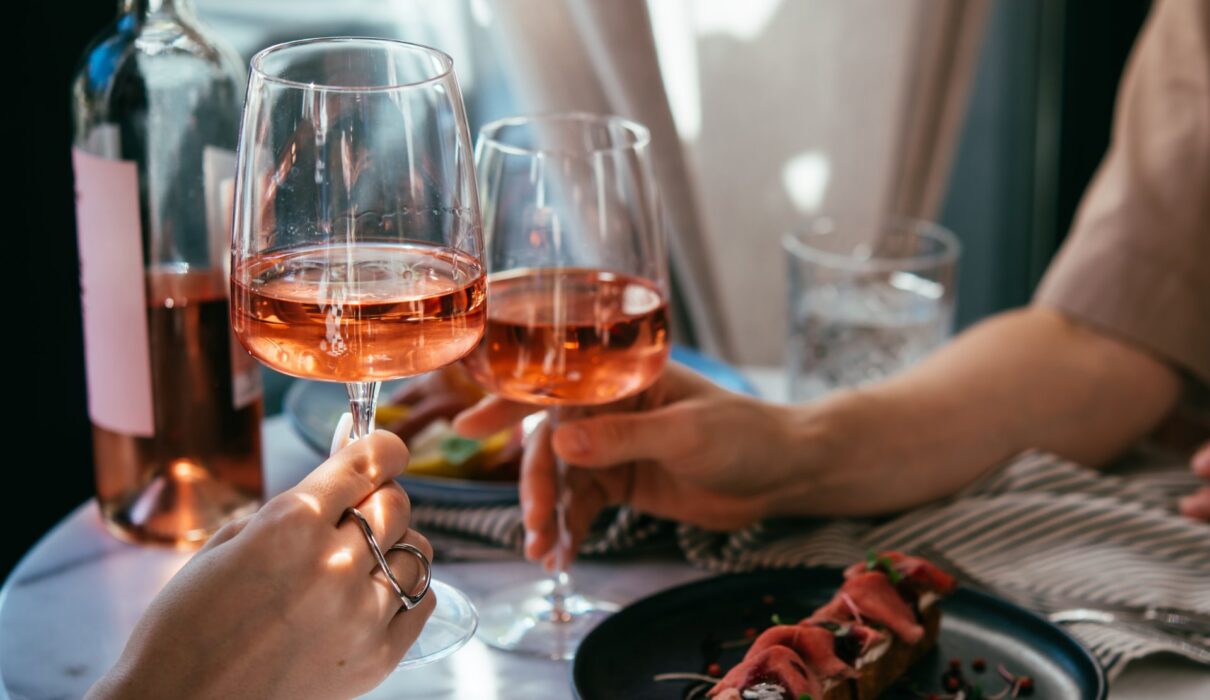
By Look, I’ll be honest; the first time my partner and I attempted a “sophisticated” tasting night at home, we ended up giggling over pizza at 11pm, having completely abandoned our carefully curated cheese board somewhere around the third wine. But that’s half the fun, isn’t it?
Over the years (and many bottles later), we’ve actually figured out how to host a tasting night that feels special without being pretentious, educational without being boring, and impressive without breaking the bank. Whether you’re wine enthusiasts looking to branch into spirits, or spirit lovers curious about wine, this guide will help you create an unforgettable evening for two.
Why Mix Wine and Spirits?
Sure, it sounds criminal. But here’s the thing about combining wine, gin, and whiskey in one tasting: it’s actually genius. Each category offers completely different flavour profiles, aromas, and experiences. Plus, alternating between them keeps your palate fresh and interesting. Think of it as a choose-your-own-adventure for adults, but with better glassware.
If you’ve ever done wine tasting on a budget, you know that variety is the spice of life. The same principle applies here; moving between wine’s fruit-forward elegance, gin’s botanical complexity, and whiskey’s rich depth creates a journey rather than just a drinking session.
Setting the Scene (Without Going Overboard)
First things first: atmosphere matters, but you’re not opening a pop-up bar. Dim the lights, light a few candles, and for the love of all things holy, turn off notifications. This is quality time, not an Instagram story opportunity (though, let’s be real, you’ll probably snap a pic anyway – just do it quickly and get back to each other).
Music-wise, keep it low and instrumental. Nothing kills a tasting vibe faster than trying to discuss flavour notes over someone screaming lyrics. If you’re planning to follow this up with romantic dinner ideas, you’re already on the right track.
The Perfect Lineup: What to Pour
For Wine
- 1 white (a good Chardonnay is always reliable)
- 1 red (Shiraz or Pinot Noir – both Australian favourites)
- Optional: 1 sparkling to start things off
For Gin
- 1 London Dry style (classic, juniper-forward)
- 1 Australian craft gin (we’re spoiled for choice here)
For Whiskey:
- 1 smooth, approachable option (maybe an Irish whiskey if you want something dangerously smooth)
- 1 with a bit more character (Scotch or Japanese)
You don’t need massive bottles. Many bottle shops sell tasting-sized formats, which is perfect for this. If you’re unsure what to grab, check out these wine shopping tips that apply surprisingly well to spirits too.
The Order Matters (Trust Me on This)
Here’s where people often mess up: they go straight for the big guns. Don’t. Your palate is like a muscle; you need to warm it up.
Start light, end bold:
- Sparkling wine (if you’ve got it)
- White wine
- Gin #1 (the lighter one)
- Gin #2 (the craft/more complex one)
- Red wine
- Whiskey #1 (smoother option)
- Whiskey #2 (the character piece)
Between each drink, cleanse your palate with plain crackers and water. Yes, you’ll feel fancy doing this. Yes, it actually works.
The Pairing Magic: What to Serve
This is where it gets fun. Forget elaborate cheese boards that cost $100 and look like something from Pinterest. You need simple, strategic pairings.
For Wine
- Hard cheeses (cheddar, aged gouda)
- Fresh fruits (grapes, apple slices, pear)
- Dark chocolate (70% cacao works beautifully with reds)
- Salted almonds
For Gin
- Citrus segments (lemon, lime, grapefruit)
- Cucumber ribbons
- Olives (the good ones, not the sad tinned variety)
- Smoked salmon on crackers
The beauty of gin is its botanical nature. If you’re curious about taking this further, there’s a whole world of fruit garnishes for gin and tonic that can inspire your pairing choices.
For Whiskey
- Strong cheeses (blue cheese, aged cheddar)
- Caramelised nuts
- Dried fruits (figs, dates, apricots)
- Dark chocolate (yes, again… it’s that good)
Pro tip: Don’t put everything out at once. Bring things out as you progress through the drinks. It keeps the evening dynamic and prevents that “Why did we buy so much food?!” moment at 10pm.
The Tasting Technique (Without Being Wanky)
Alright, let’s talk about how to actually taste without feeling like you’re auditioning for MasterChef.
The 5 Steps, Simplified
- Look at the colour. Is it clear? Golden? Deep amber? There’s no wrong answer, just observations.
- Gentle rotation in the glass releases aromas. Don’t go full helicopter mode.
- Stick your nose in there. What do you smell? Fruits? Spices? Your partner’s cologne? (Maybe step back a bit.)
- Small amount, let it coat your mouth. This isn’t a race.
- What flavours come through? How does it finish? Does it linger or disappear quickly?
The key is to talk about what YOU taste, not what you think you should taste. If your partner describes “Hints of leather and tobacco” in a whiskey and all you get is “It burns a bit, but I like it” that’s completely valid. Snobbery has no place at your kitchen table.
Making It Interactive
Here’s where things get playful. Try these games to keep the evening fun:
- The Blind Taste Challenge: Pour small amounts into identical glasses while your partner’s eyes are closed. Can they identify wine versus spirits? Red versus white? (Hint: Add ice to the red and keep white at room temperature!) Gin versus whiskey? It’s harder than you think and hilarious when you get it wrong.
- Flavour Note Bingo: Create cards with common tasting notes (vanilla, citrus, oak, berries, etc.). Mark them off as you detect them. First to get five in a row wins… bragging rights, mostly.
- The Price is Right: If you’ve bought different price points, see if you can identify which is more expensive. Spoiler alert: you often can’t, which is a valuable lesson in itself.
If you’re really getting into the spirit of things (pun intended), you might consider attending cocktail workshops to level up your knowledge for next time.
The Australian Advantage
One of the best parts about doing this in Australia? We have world-class options for all three categories. From the incredible winery experiences we can visit to gather wine knowledge, to the boom in craft spirits over mass-produced brands, we’re spoiled for choice.
If you’re inspired to take this tasting journey beyond your living room, regions like the Hunter Valley offer incredible opportunities to deepen your wine knowledge in person.
The Notes (Optional But Fun)
Keep a little notebook handy. Jot down what you tried, what you loved, what you’d skip next time. It doesn’t need to be fancy. My partner and I have a running note in our phones that literally says things like “The purple label gin = YES” and “Expensive whiskey that tasted like Band-Aids = NOPE.”
These notes become gold when you’re standing in a bottle shop three months later, trying to remember which one you loved. They’re also hilarious to read back later. Trust me, your 2am tasting notes are comedy gold.
Pacing is Everything
Here’s the unglamorous truth: you’re dealing with alcohol, and quite a bit of it if you’re not careful. This isn’t a race to the bottom of every bottle.
Golden rules:
- Pour small amounts (30ml for spirits, 60ml for wine)
- Water is your friend, so have a glass between each drink
- Don’t feel obligated to finish everything
- It’s totally fine to dump out what you don’t like
If you’re both lightweights (no judgment, I’m absolutely including myself here), consider doing fewer categories in one night. Wine and gin one evening, whiskey another time. Or embrace the world of low-ABV and non-alcoholic spirits for some of your selections.
What to Do With Leftovers
Assuming you haven’t finished everything (good for you, responsible adults), here’s the deal:
- Wine: Cork it, fridge it, drink it within 2-3 days. Or get creative with classic cocktails that use wine.
- Gin: Keeps indefinitely. Use it for actual G&Ts throughout the week, trying different fruit garnish combinations.
- Whiskey: Also keeps forever. Becomes your new “nightcap” option.
Themes for Your Next Tasting
Once you’ve mastered the basics, try themed tastings:
- Home or Away: All Australian products vs. international
- Oldies: Only aged expressions (aged wines, aged gins, aged whiskies)
- Seasonal: Light and fresh for summer, rich and warming for winter
- Expensive vs. affordable: Can you taste the difference?
If you really catch the bug, consider hosting a proper gin tasting party for friends. But master the couple’s version first, it’s more forgiving when you mess up.
The Post-Tasting Wind Down
By now, you’ve sipped, swirled, discussed, laughed, and probably disagreed about whether that gin tasted “botanical” or “like a garden threw up in a bottle.” (Both can be true, by the way.)
This is the perfect time to settle in with something easy. Maybe throw on one of Australia’s highest-rated films to match your local booze and just enjoy each other’s company without the formal tasting structure.
Or, if you’re feeling ambitious and not too tipsy, this transitions beautifully into cooking together. The drinks have loosened you up, you’re in a great mood, and suddenly making pasta from scratch seems like a brilliant idea.
The Real Point of All This
Here’s what I’ve learned after countless tasting nights: it’s not really about becoming a sommelier or spirits expert. It’s about creating space to try new things together, to slow down, to actually pay attention to what you’re experiencing rather than mindlessly scrolling while you drink.
It’s about discovering that your partner thinks all whiskey tastes the same (they’re wrong, but you love them anyway), or that you both absolutely despise that expensive gin everyone raves about. It’s about building your own preferences together, creating inside jokes about “that one terrible wine,” and having an experience that’s uniquely yours.
Plus, you end up with a much more sophisticated drinks cabinet and actual opinions about things beyond “I like wine” and “Gin goes with tonic”. Win-win.
Final Tips From Someone Who’s Been There
- Don’t overthink it. Seriously. The wine won’t judge you.
- Invest in decent glassware, but don’t stress if you don’t have specific glasses for each spirit. We survived our first dozen tastings with three wine glasses and two tumblers.
- Take breaks. Stretch your legs, get some fresh air, let your palate reset.
- Hydrate more than you think you need to. Future you will be grateful.
- If something tastes awful, it’s okay to say so. This isn’t a test you can fail.
- Take photos of the bottles you love so you can find them again.
- Don’t Google tasting notes before you try something. Taste it yourself first, then see if you agree with the “experts.”
Making it a Regular Thing
The beautiful thing about tasting nights? They’re endlessly customisable and never get old because there’s always something new to try. We’ve made it a monthly tradition. First Friday of every month, we pick a theme and explore.
Some months we’re ambitious and do the full wine-gin-whiskey spread. Other months we’re tired and just compare three different gins while eating takeaway pizza. Both are valid. Both are fun.
The ritual becomes less about the alcohol and more about the dedicated time together. It’s a phone-free, distraction-free zone where you’re both learning something new and actually talking to each other beyond “How was your day?” and “What should we have for dinner?”
When Things Go Wrong (Because They Will)
Let me share some disasters so you don’t feel bad when yours happen:
- When we tried to be fancy and paired blue cheese with gin (absolutely not)
- The evening we got the order completely wrong and started with the smokiest whiskey first (everything after tasted like water)
- The tasting that ended with us having a philosophical argument about whether “earthy” is a compliment or an insult
- The one where we poured WAY too generously and fell asleep after the 2nd pairing.
These moments? They’re the best stories. They’re what you’ll laugh about later. Perfection is boring anyway.
Hosting a tasting night for two doesn’t require a sommelier qualification, a spirits collection worth thousands, or even particularly refined taste. It requires curiosity, a willingness to try new things, and someone you enjoy spending time with.
Whether you use this as a date night alternative, a way to expand your drinks knowledge, or just an excuse to open several bottles without feeling judged, it’s time well spent.
So grab your partner, pick up a few bottles (remember, you don’t need the expensive stuff to start), throw together some simple pairings, and see where the evening takes you. Maybe you’ll discover a new favourite drink. Maybe you’ll realise you both hate whiskey. Maybe you’ll end up ordering pizza at 11pm like we did that first time.
Whatever happens, you’ll have spent quality time together, learned something new, and created an experience you can repeat, refine, and make entirely your own.
Now if you’ll excuse me, I need to go plan next month’s tasting. I’m thinking all Australian craft gins. Or maybe we’ll finally figure out if we actually like Chardonnay or if we’ve just been pretending all these years.
Either way, it’s going to be fun.