

 By
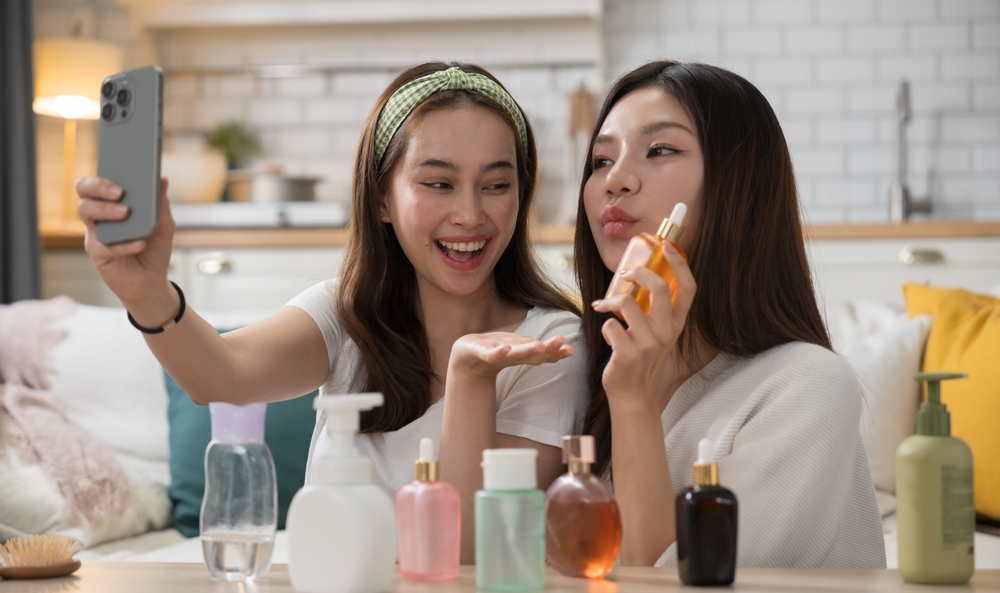
By Social media has completely changed the way people discover skincare. Platforms like TikTok and Instagram now influence millions of buying decisions every day. Short videos promise instant glow-ups, miracle ingredients, and routines that claim to fix every skin problem in 30 seconds. But the truth is far less glamorous. Many viral routines encourage overuse of active skincare, push unnecessary products, and confuse people about what their skin actually needs. Teenagers searching for solutions to acne prone skincare issues often end up copying influencers instead of dermatologists. Meanwhile, powerful products such as a vitamin A serum are discussed casually online without explaining how strong they really are or how carefully they should be used.
Let’s separate the skincare myths from the science.
Why Social Media Became a Skincare Authority
Social media works on speed and visibility. A dramatic before-and-after video spreads faster than careful medical advice. Influencers also benefit from affiliate links and brand sponsorships, which can encourage them to promote products even when the science behind them is questionable.
Many creators also present themselves as experts despite having no dermatology training. Their routines often include multiple layers of active skincare ingredients used simultaneously, which can irritate the skin barrier instead of improving it.
For viewers struggling with acne prone skincare, this can be particularly problematic. Acne is complex and influenced by hormones, genetics, and lifestyle. A viral trick rarely solves the underlying cause.
Similarly, products like a vitamin A serum appear frequently in trending routines without context. While vitamin A derivatives can be extremely effective, they also require careful introduction and proper sun protection.
Viral Skincare Trends That Don’t Hold Up
Let’s look at a few popular trends that circulate online.
“DIY Skincare From Your Kitchen”
Lemon juice, baking soda, toothpaste and vinegar regularly appear in viral videos. These ingredients may seem natural, but they can disrupt your skin’s pH and damage the protective barrier.
Instead of experimenting with kitchen chemistry, choose well-formulated skincare products that deliver predictable results.
Over-Exfoliating for “Glass Skin”
Another viral trend encourages daily exfoliation using acids and scrubs. While exfoliation can help, too much of it leads to redness, sensitivity and breakouts.
Healthy skin requires balance, not constant stripping.
Using Powerful Anti-Ageing Ingredients Too Early
Younger audiences frequently experiment with retinoids after seeing influencers promote them. A vitamin A serum can improve texture and stimulate collagen in adults, but beginners often apply it too frequently or combine it with other actives.
Without guidance, this can trigger irritation rather than improvement.
How to Spot Bad Skincare Advice Online
Not all online advice is wrong. But there are clear warning signs that a trend may be unreliable.
Red flags include:
- Claims of instant or overnight results
- Routines containing excessive layers of active skincare
- Influencers selling or promoting every product they mention
- Lack of explanation about skin types or ingredients
Reliable advice, on the other hand, usually explains why an ingredient works.
For example, a dermatologist recommending a serum or cream will explain its role in cell turnover, collagen production and acne treatment rather than presenting it as a miracle cure.
Similarly, trustworthy guidance for acne prone skincare focuses on gentle cleansing, controlled use of actives, and barrier protection.
Why Simple, Science-Backed Routines Win
Skincare doesn’t need to be complicated to work. In fact, the most effective routines are usually the simplest. Dermatologists often recommend a structure like this:
Morning
- Gentle cleanser
- Antioxidant or treatment product, like a vitamin C serum
- Moisturiser
- Sunscreen
Evening
- Cleanser
- Targeted treatment
- Moisturiser
This type of routine allows skincare ingredients to work properly without overwhelming the skin. It also helps people manage acne conditions without irritating the barrier.
Consistency matters far more than constantly switching products.
The Real Truth Behind Skincare Results
Healthy skin rarely comes from viral tricks. It comes from evidence-based ingredients, stable formulations and routines that respect how the skin actually works.
Trends come and go, but dermatology research moves slowly and deliberately for a reason.
Using skincare thoughtfully, introducing treatments gradually, and maintaining a consistent routine will almost always outperform the latest viral hack.
When it Comes to Skincare, Trust Science, Not Social Media
TikTok and Instagram make skincare look exciting, but they rarely show the full picture. Many viral routines encourage overuse of active skincare, misuse of powerful products like a vitamin A serum, or oversimplify solutions for acne prone skincare. The smartest approach is still the least glamorous: choose science-backed ingredients, keep your routine simple, and give products time to work. Your skin doesn’t care about trends. It cares about consistency.