

 By
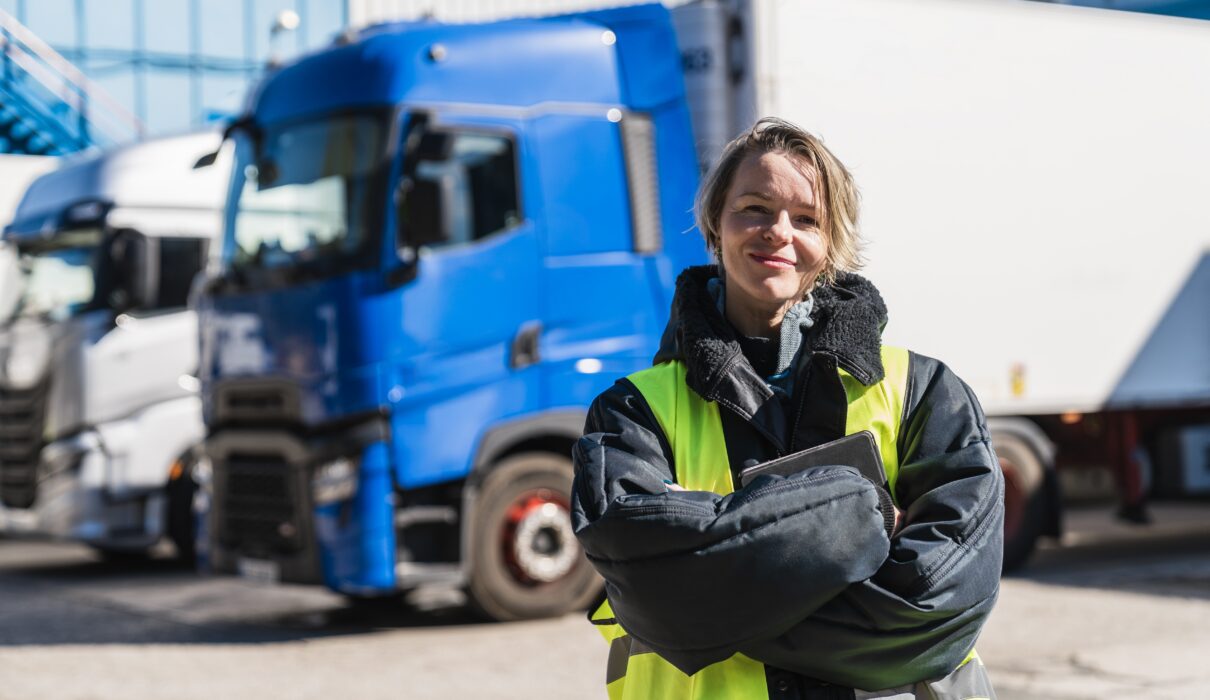
By When people think about the transport and logistics industry, they often picture trucks, warehouses, highways, and distribution centres. What many don’t see are the thousands of skilled professionals working behind the scenes to keep Australia’s supply chains moving. Today, women play an increasingly important role across every part of the cold chain industry, helping manage interstate refrigerated freight, coordinate temperature controlled transport, and oversee complex cold storage and transport operations. Their contributions are helping shape a more innovative, efficient, and resilient logistics sector for the future.
Breaking Stereotypes in a Traditionally Male Industry
For decades, transport and logistics were viewed as male-dominated industries. While that perception still exists in some areas, the reality is changing rapidly. More women are entering the sector and building successful careers across operations, fleet management, warehousing, compliance, customer service, technology, and executive leadership.
The cold chain industry, in particular, offers diverse career opportunities that extend well beyond driving trucks. Behind every successful interstate refrigerated freight operation is a network of planners, coordinators, administrators, warehouse managers, and logistics specialists who ensure products arrive safely and on time.
As supply chains become more technologically advanced, businesses increasingly value problem-solving, communication, leadership, and analytical skills, areas where talented professionals of all backgrounds can thrive.
The Critical Roles Women Play in Cold Chain Logistics
Modern cold chain logistics requires constant coordination. Products such as fresh food, pharmaceuticals, dairy, seafood, and frozen goods often have strict temperature requirements and tight delivery windows.
Many women work directly within temperature controlled transport operations, helping manage freight schedules, monitor compliance requirements, coordinate drivers, and maintain customer communication. These responsibilities play a critical role in protecting product quality throughout the supply chain.
Women are also heavily involved in cold storage and transport facilities, where they oversee inventory management, warehouse operations, safety procedures, and quality assurance programs. Their work helps ensure products remain within required temperature ranges before, during, and after transport.
Without these skilled professionals, Australia’s cold chain network would struggle to meet the demands of modern consumers and businesses.
Leadership Is Driving Change
One of the most encouraging developments within the logistics industry is the growing number of women stepping into leadership positions. Across Australia, women now lead transport businesses, manage national supply chains, oversee warehouse operations, and influence industry policy.
Strong leadership is particularly valuable in sectors that rely on interstate refrigerated freight, where operational efficiency and strategic planning directly affect customer outcomes. Female leaders continue to bring fresh perspectives to workforce development, technology adoption, sustainability initiatives, and customer service.
Many organisations have also introduced programs aimed at attracting and supporting women throughout their careers, helping create a more diverse and inclusive workforce.
Technology Is Creating New Opportunities
Technology continues to transform the cold chain industry, creating new roles and career pathways. Modern logistics operations rely heavily on software systems, data analysis, telematics, GPS tracking, automation, and real-time monitoring.
These innovations have expanded opportunities within temperature controlled transport, allowing professionals to manage freight movements, monitor temperature performance, and optimise delivery schedules from sophisticated digital platforms.
Likewise, advancements in cold storage and transport technology have increased demand for specialists who understand data management, inventory systems, compliance reporting, and operational efficiency. As the industry evolves, technology is helping attract a broader range of talent than ever before.
Why Diversity Strengthens Supply Chains
Diversity brings different perspectives, experiences, and approaches to problem-solving. In an industry that often faces challenges such as supply chain disruptions, labour shortages, changing regulations, and increasing customer expectations, diverse teams can provide valuable solutions.
Research across multiple industries consistently shows that diverse workplaces often experience stronger collaboration, improved innovation, and better decision-making. These advantages benefit businesses and other specialised logistics services where efficiency and adaptability are essential.
A workforce that reflects the communities it serves also helps strengthen relationships with customers, suppliers, and stakeholders throughout the supply chain.
Interesting Facts About Women in Logistics
The role of women in logistics continues to grow across Australia and internationally. Some interesting industry trends include:
- More women are entering transport and logistics careers than ever before.
- Female participation has increased across warehousing, operations, and management roles.
- Many logistics companies now offer mentoring and leadership development programs.
- Technology-driven roles continue to attract a broader talent pool.
- Industry organisations actively promote greater diversity and inclusion throughout the supply chain sector.
These trends suggest the future of logistics will be more diverse, innovative, and collaborative than ever before.
Celebrating the People Who Keep Australia’s Cold Chain Moving
Australia’s cold chain industry depends on skilled professionals working behind the scenes every day. From managing interstate refrigerated freight networks to coordinating temperature controlled transport solutions and overseeing vital cold storage and transport facilities, women continue to make significant contributions across every part of the supply chain. As the industry grows and evolves, their expertise, leadership, and innovation will remain essential to keeping Australia’s cold chain moving efficiently and safely.