

 By
By Outdoor areas are no longer seasonal extras. In commercial and hospitality settings, they play a direct role in revenue, customer comfort, and how long people choose to stay. Designing these spaces for year-round use requires more than attractive furniture. It demands practical decisions around shelter, climate control, durability, and how the space operates day to day. Well-planned outdoor areas often rely on alfresco awnings to manage sun exposure during warmer months while still allowing light and airflow. Retractable roofing also allows venues to adapt quickly to changing weather without closing the space. Waterproof outdoor blinds can be used to add another layer of protection, reducing wind and rain impact while maintaining visibility and connection to the outdoors.
Start with Climate and Orientation
Understanding local climate patterns is the foundation of good outdoor design. Orientation matters. North and west-facing areas need stronger sun control, while exposed sites require protection from prevailing winds.
Alfresco awnings provide adjustable shade that can be extended during peak sun and retracted when light is welcome. They help reduce heat load, which supports thermal comfort and lowers reliance on indoor cooling. Studies on passive design principles consistently show that external shading is more effective than internal solutions for managing heat gain.
Flexible Roofing for Unpredictable Weather
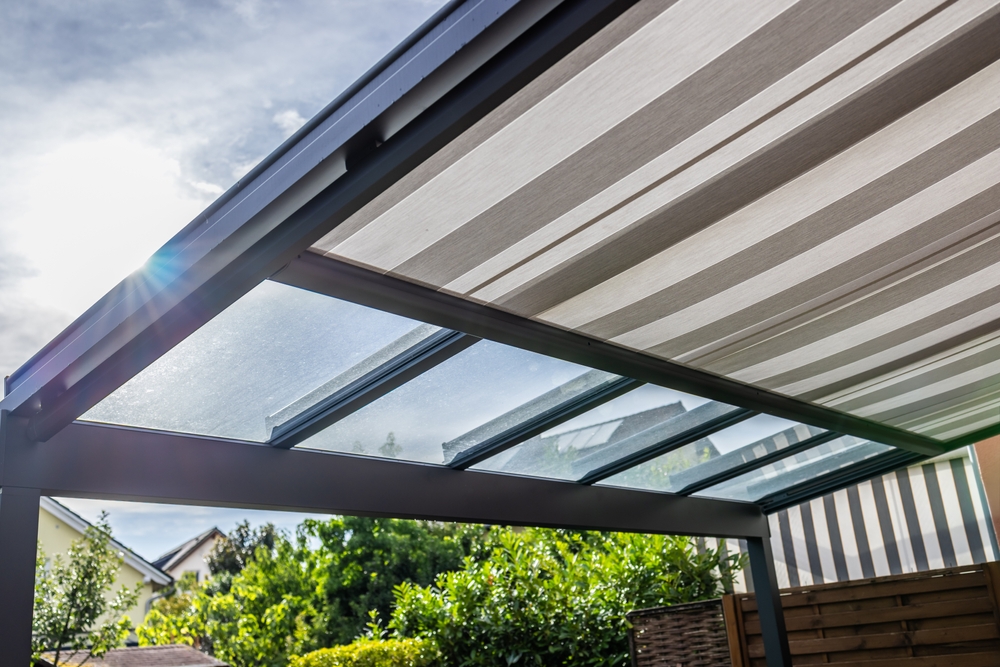
Retractable roofing allows venues to respond to changing weather within minutes, not hours. This flexibility helps outdoor areas remain usable during light rain or intense sun, without the need for a permanent enclosure. For hospitality operators, it supports more consistent service, protects bookings, and reduces cancellations linked to weather uncertainty.
When supported by appropriate drainage and sound structural engineering, retractable roofing systems can meet safety and compliance requirements with ease. Their adaptable design also improves space utilisation, particularly across hospitality venues within mixed-use commercial developments.
Wind and Rain Management Without Complete Enclosure
Complete enclosure often reduces the appeal of outdoor spaces. Waterproof outdoor blinds offer a balanced solution. They shield guests from wind and rain while preserving views and natural light. High-quality mesh or PVC fabrics allow filtered airflow, preventing the space from feeling sealed off.
From an operational perspective, waterproof outdoor blinds also protect furniture, flooring, and finishes. This extends asset life and lowers maintenance costs. Facility management studies regularly link weather protection to reduced wear in outdoor hospitality zones.
Materials that Last Under Pressure
Commercial outdoor areas experience constant use. Furniture, shading systems, and fixings must withstand UV exposure, moisture, and frequent operation. Independent material testing consistently shows that powder-coated aluminium, stainless steel fixings, and performance fabrics offer longer service life in exposed environments.
Alfresco awnings and retractable roofing systems should be specified with UV-stable fabrics and corrosion-resistant components. Waterproof outdoor blinds must meet performance ratings for wind resistance and fabric stability to avoid sagging or failure over time.
Motorisation and Smart Integration
Motorisation improves usability and consistency. Automated systems allow staff to adjust awnings, roofing, and blinds quickly without manual handling. Smart integration can link shading to weather sensors, time schedules, or building management systems.
Research from the International Energy Agency highlights that automated shading reduces cooling demand in commercial buildings. In hospitality settings, this translates to more stable temperatures and improved guest comfort. Motorised alfresco awnings and retractable roofing also reduce staff training requirements and improve safety during sudden weather changes.
Design for Operations, Not Just Appearance
Outdoor spaces must work smoothly during service hours. Clear circulation paths, accessible controls, and logical zoning support efficient operation. Waterproof outdoor blinds should align with furniture layouts and access points to avoid bottlenecks.
Successful venues often test configurations at different times of the day. Morning light, afternoon heat, and evening wind all affect how the space performs. Designing with these variables in mind leads to fewer adjustments after installation.
Practical Design Strategies and Solutions for Year-Round Outdoor Spaces
Designing outdoor areas for year-round use requires a balance of flexibility, durability, and operational ease. High-quality alfresco awnings provide adaptable shade that responds to daily and seasonal changes. Retractable roofing designs allow venues to stay open despite unpredictable weather. Waterproof outdoor blinds protect guests and assets while maintaining openness and visibility. When these elements are supported by durable materials, thoughtful layout, and motorised control, outdoor spaces become reliable extensions of commercial and hospitality environments. The result is consistent use, improved comfort, and stronger long-term value for operators and guests alike.