

 By
By Walk through any beauty retailer today and you could easily mistake the skincare section for an electronics store. LED masks, cleansing brushes, microcurrent devices, facial sculpting tools and ultrasonic scrubbers have become some of the hottest beauty products on the market. Social media certainly deserves some credit (or blame) for the trend, but growing interest in preventative skincare and at-home treatments has also fuelled demand. The big question is: do these devices actually work, or are they just expensive bathroom decorations? The truth sits somewhere in the middle. Some skincare technology offers genuine benefits when used consistently alongside products such as a lactic acid cleanser, a vitamin C serum from Australia, and a retinal night cream. Others promise far more than they deliver.
Let’s separate the science from the sales pitch.
Why Beauty Technology Has Become So Popular
Several factors have contributed to the explosion of at-home skincare devices:
- Increased interest in anti-ageing and preventative skincare
- Rising costs of professional skin treatments
- Social media influencers showcasing devices daily
- Greater access to affordable consumer technology
- Improvements in skincare research and device design
Many people now view skincare as an investment rather than a luxury. Instead of booking regular clinic treatments, consumers are searching for tools that can help maintain healthy skin from home.
However, even the best device works most effectively when paired with a solid skincare routine that includes products such as a lactic acid cleanser and a vitamin C serum from Australia.
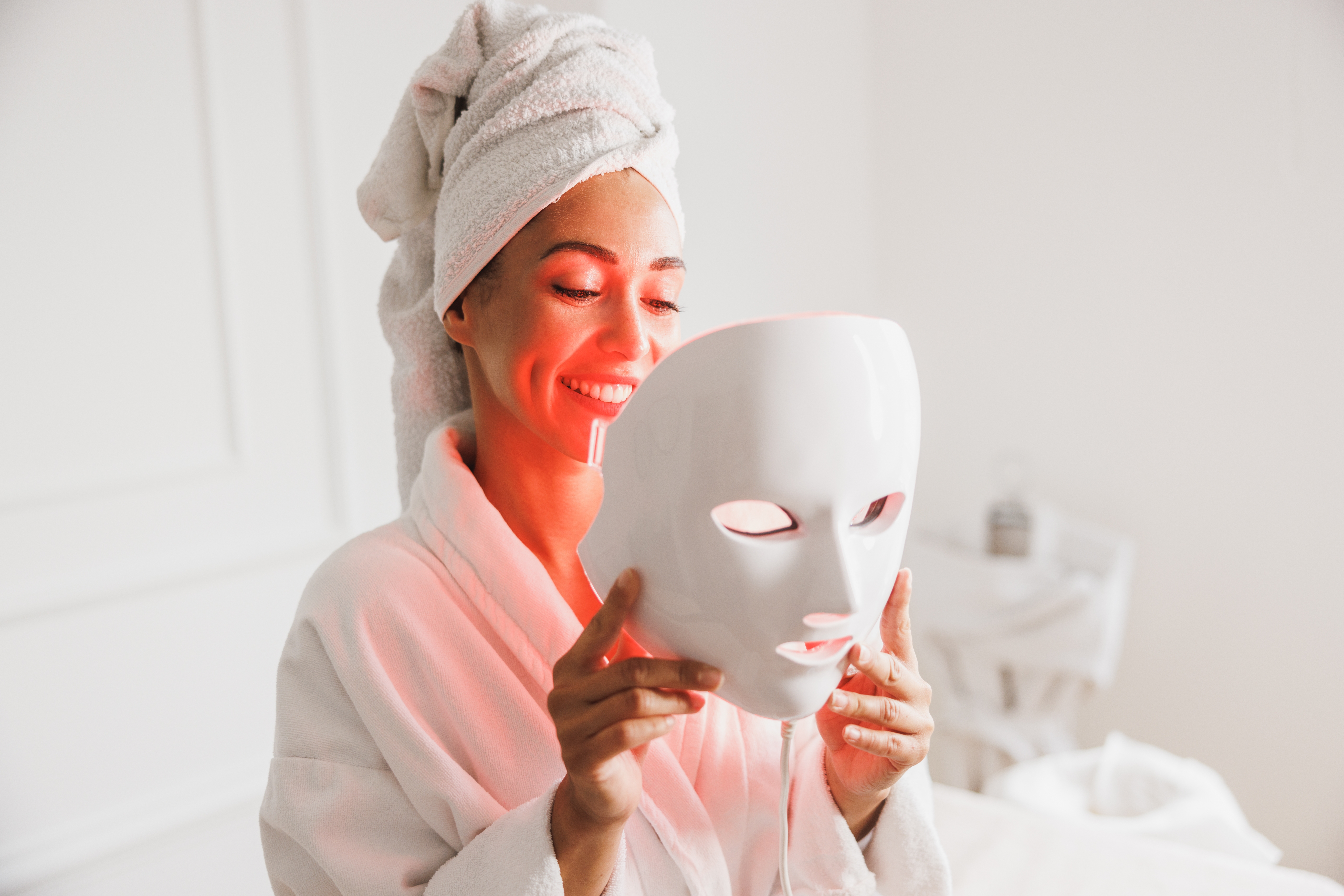
LED Light Therapy: The Gold Standard of At-Home Devices
Average Cost:
$150–$900 AUD
If there is one skincare gadget that has earned a respectable reputation among dermatologists and skin professionals, it’s LED light therapy.
Red light therapy may help support collagen production and reduce inflammation, while blue light therapy can help target acne-causing bacteria.
Many users notice improvements in skin texture, redness and overall skin tone after several weeks of consistent use. LED therapy also complements ingredients found in a retinal night cream, as both support skin renewal and long-term skin health.
Pros:
- Backed by growing scientific evidence
- Non-invasive
- Suitable for most skin types
- Easy to use at home
Cons:
- Quality devices can be expensive
- Results require patience and consistency
Sonic and Electronic Cleansing Devices
Average Cost:
$80–$350 AUD
These cleansing tools use vibrations to help remove dirt, oil and makeup from the skin’s surface.
For many users, they provide a deeper cleanse than hands alone. They can also work well alongside a lactic acid cleanser, helping remove surface debris before active ingredients get to work.
That said, more isn’t always better. Overusing cleansing devices can irritate the skin barrier and contribute to redness or sensitivity.
Pros:
- Effective cleansing
- Easy to incorporate into routines
- May improve product absorption
Cons:
- Overuse may irritate sensitive skin
- Not essential for everyone
Microcurrent Devices: The Facial Workout Trend
Average Cost:
$250–$700 AUD
Microcurrent technology delivers low-level electrical currents designed to stimulate facial muscles.
The concept is simple. Just as exercise strengthens muscles throughout the body, microcurrent treatments aim to temporarily improve facial firmness and contour.
Many people combine these devices with collagen-supporting products such as a vitamin C serum from Australia and a retinal night cream to maximise their anti-ageing routine.
Pros:
- Non-surgical approach to facial firming
- Convenient at-home treatment
Cons:
- Results are temporary
- Requires ongoing use
Facial Rollers, Sculpting Tools and Massagers
Average Cost:
$20–$200 AUD
These tools remain hugely popular, particularly on social media.
While they can help reduce temporary puffiness and feel relaxing, they generally provide more cosmetic benefits than long-term skin improvements.
That doesn’t make them useless. A few minutes with a facial roller can feel wonderful and may improve circulation temporarily. Just don’t expect dramatic anti-ageing results.
The Biggest Myth About Skincare Technology
The biggest mistake consumers make is believing a device can replace good skincare.
It can’t.
No LED mask can replace sunscreen. No microcurrent device can compensate for poor sleep, smoking or chronic dehydration.
Technology should enhance a routine, not become the routine. The most impressive results usually come from combining proven skincare ingredients with quality devices.
Should You Invest in Skincare Tech?
For most people, yes, but selectively.
If your budget allows, LED masks and quality cleansing devices generally provide the best balance between scientific support and real-world results. Microcurrent tools can also be worthwhile for those focused on anti-ageing concerns.
However, before spending hundreds of dollars on gadgets, make sure your skincare basics are covered first. Consistent cleansing, sun protection, hydration and evidence-based active ingredients will always deliver more value than the latest viral beauty device.
Technology Is a Tool, Not a Miracle
The modern skincare market offers more gadgets than ever before, and some genuinely deserve their place on your bathroom shelf.
Devices such as LED masks and cleansing tools can support healthy skin when paired with products like a lactic acid cleanser, a vitamin C serum from Australia, and a retinal night cream. Used together, they can help improve texture, support skin renewal and enhance overall skin health. Just remember that great skin rarely comes from one miracle gadget. It comes from consistency, realistic expectations and choosing science-backed solutions over flashy marketing.