

 By
By If you have ever wondered whether there is a “right age” for hearing aids, you are not alone. Many people assume they are only for older adults, but that idea does not hold up when you look at real evidence. Hearing changes can begin much earlier than expected, and the decision to consider hearing aids should be based on need, not age. The first step is always awareness. Subtle signs such as asking people to repeat themselves, turning up the TV, or struggling in noisy environments often lead people to book a hearing test. From there, an audiologist can determine whether hearing aids or other support, including hearing aid fitting in Melbourne, may be helpful.
Hearing Loss Does Not Follow a Fixed Timeline
Research shows that hearing ability often starts to decline gradually from the mid-30s onwards. A large body of evidence, including findings from the World Health Organization, indicates that by 2050, almost 2.5 billion people globally will be living with some degree of hearing loss.
Age-related hearing loss, also known as presbycusis, becomes more common after age 60. However, younger adults are increasingly affected due to factors such as noise exposure, headphones, and workplace environments.
This means hearing aids are not tied to a specific age. Some people benefit from them in their 40s or 50s, while others may not need them until much later. The key factor is whether hearing loss begins to affect communication, work, or daily life.
Early Signs You Should Not Ignore
Hearing loss often develops slowly, which makes it easy to overlook. People adapt without realising it.
Common signs include:
- Difficulty following conversations in groups
- Frequently asking others to repeat themselves
- Misunderstanding words or responding incorrectly
- Ringing or buzzing sounds in the ears
- Increasing volume on devices
If any of these sound familiar, it is worth booking a hearing test. Early assessment allows you to understand what is happening and take control before the issue progresses.
Why Early Intervention Matters
One of the biggest misconceptions about hearing aids is that you should wait until hearing loss becomes severe. In reality, early intervention often leads to better outcomes.
Studies have linked untreated hearing loss with cognitive decline, social withdrawal, and reduced quality of life. When the brain receives less sound input, it has to work harder to process information.
Using hearing aids earlier can help maintain clearer communication and reduce listening effort. Many people report that everyday conversations feel easier and less tiring once their hearing is supported.
Modern Hearing Aids Are More Advanced Than You Think
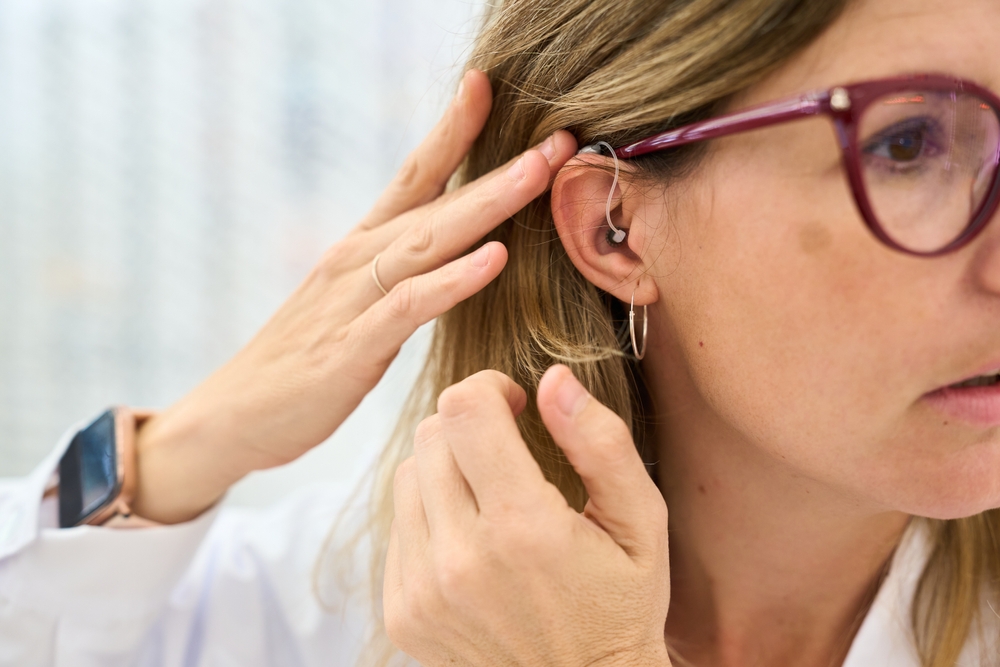
Technology has changed significantly over the past decade. Today’s hearing aids are discreet, highly adjustable, and designed to adapt to different listening environments.
Features may include:
- Background noise reduction
- Bluetooth connectivity for calls and streaming
- Rechargeable batteries
- Automatic adjustments based on surroundings
Because of this, people who once hesitated to explore hearing aids are now more open to trying them. The experience is far more personalised than many expect, especially when guided by a professional hearing aid fitting in Melbourne.
When Should You Consider Hearing Aids?
There is no universal age, but there are clear indicators that it may be time to consider support.
You should explore hearing aids if:
- You struggle to hear conversations clearly
- You avoid social situations due to hearing difficulties
- Others notice changes in your hearing
- You feel fatigued after listening for long periods
A hearing test provides a clear starting point. It measures the type and degree of hearing loss and helps determine the most appropriate next steps.
Hearing Tests Are Quick, Comfortable and Informative
Many people delay getting their hearing checked because they expect the process to be complicated. In reality, a hearing test is straightforward and non-invasive.
It usually involves listening to sounds through headphones and responding to different tones and speech. The results are then explained in detail, along with practical recommendations.
Regular hearing tests are a simple way to monitor changes over time, even if hearing aids are not needed immediately.
Personalised Support Makes the Difference
No two people experience hearing loss in the same way. This is why personalised care is essential.
A proper hearing aid fitting in Melbourne involves more than just selecting a device. It includes adjusting settings, ensuring comfort, and providing guidance on how to use and maintain the hearing aids effectively.
Follow-up appointments are also important. They allow for fine-tuning and ensure the hearing aids continue to meet your needs as your hearing changes.
When to Act on Hearing Loss and Consider Hearing Aids
The question is not really about age. It is about recognising when your hearing starts to affect your life and taking action at the right time. Hearing aids can make a meaningful difference at many stages of adulthood. What matters is identifying the need early with a hearing test and choosing the right support, whether that involves monitoring or moving forward with a hearing aid fitting in Melbourne. If you have noticed changes in your hearing, do not wait for it to worsen. The earlier you address it, the easier it is to stay connected, engaged, and confident in everyday conversations.