

 By
By In childhood, sport often begins with play. Children run, climb, kick balls, and race each other simply because movement feels good. Somewhere along the way, however, sport becomes dominated by results. Scores, rankings, and performance metrics start to overshadow enjoyment.
For many adults, that shift leads to something unfortunate. They stop playing sport entirely.
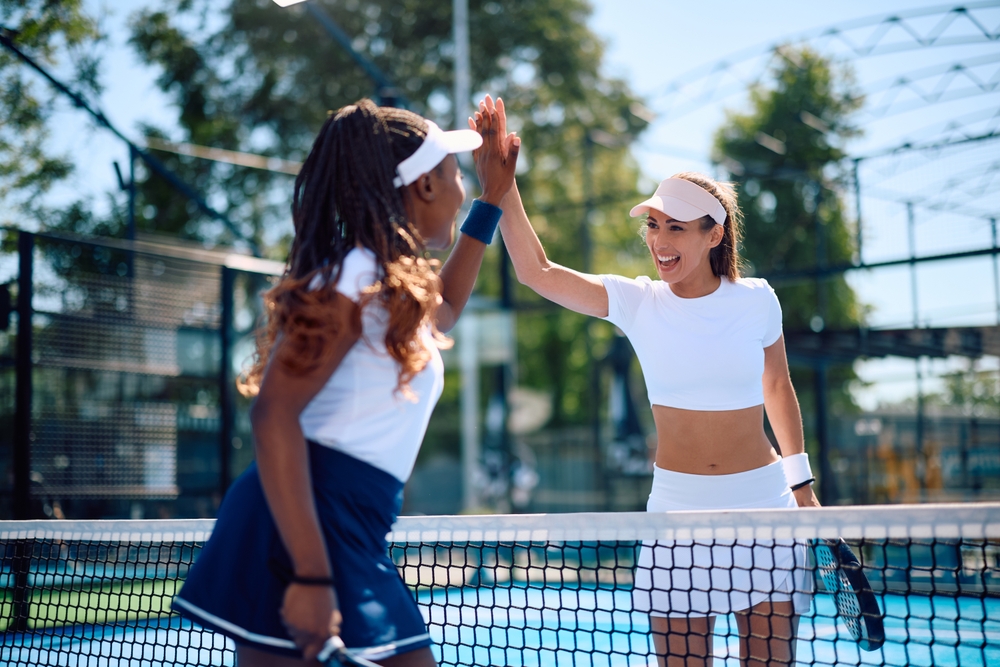
Yet a quiet trend has been building in parks, gyms, and community centres across Australia and around the world. More adults are rediscovering sport in its simplest form. They join a social basketball league. They try rock climbing with friends. They jog along local trails without timing every kilometre.
They are playing sport again, but this time without worrying about winning.
That small change in mindset can have a powerful impact on health, wellbeing, and community connection.
Why Adults Stop Playing Sport
Research shows that physical activity often declines sharply after early adulthood. According to the Australian Institute of Health and Welfare, many adults reduce organised sport participation in their late twenties and thirties. Work responsibilities, family commitments, and time pressures all contribute.
However, another factor often goes unspoken. Competition can make sport feel stressful rather than enjoyable.
Performance anxiety, fear of embarrassment, and comparison with others can turn recreational sport into something that feels like another obligation. When winning becomes the main focus, many people decide it is easier to stop playing altogether.
This is unfortunate because the physical and psychological benefits of recreational sport remain significant throughout adulthood.
Studies published in the British Journal of Sports Medicine show that regular recreational sport improves cardiovascular health, strengthens muscles and bones, and lowers the risk of chronic diseases such as diabetes and heart disease.
Equally important are the mental health benefits.
The Science of Play and Movement
Sport that prioritises enjoyment rather than competition triggers a different psychological response. Researchers in sports psychology often describe this as intrinsic motivation. People participate because the activity itself feels rewarding.
When sport feels playful, it activates brain pathways associated with dopamine and positive mood. Physical activity also stimulates endorphins and serotonin, chemicals linked to stress reduction and emotional stability.
This helps explain why casual sport often improves mental wellbeing more effectively than rigid training programmes.
Community participation plays a role too. Studies examining the impact of social exercise consistently show that group sports improve emotional resilience and reduce loneliness. For example, research exploring the mental health benefits of community sport for adults has shown strong links between recreational sport participation and reduced symptoms of depression and anxiety.
When people play for enjoyment rather than performance, they tend to stay involved longer. That consistency brings long term health benefits.
Movement Without Pressure
One of the most appealing aspects of recreational sport is its flexibility.
You do not need elite skills to join a casual football match, try climbing, or spend time at a boxing gym. Many people discover that removing pressure makes it easier to experiment with new forms of movement.
Take climbing as an example. Indoor climbing gyms have grown rapidly across Australia in recent years. Many participants treat climbing less as a competitive sport and more as a puzzle to solve. Climbers often focus on technique, balance, and creativity rather than beating opponents. For those curious about trying it, exploring Melbourne’s growing community of bouldering gyms shows how accessible the sport has become.
Similarly, boxing has evolved beyond professional competition. Many people now train with boxing bags simply for fitness and stress relief. Learning the fundamentals of boxing bag training can provide an engaging workout without the pressure of sparring or competition.
When sport becomes something you explore rather than something you must win, it becomes easier to stay consistent.
The Social Power of Sport
Another reason people rediscover sport later in life is the social connection it creates.
Friendship plays a powerful role in health behaviours. Studies from Harvard’s long running adult development research project consistently show that strong social connections influence long term wellbeing more than many other lifestyle factors.
Playing sport with friends strengthens those connections naturally. Whether it is a casual tennis match or a weekly running group, shared physical activity creates opportunities for conversation, laughter, and support.
This is especially true for women. Research into social wellbeing frequently highlights the importance of friendship networks in maintaining physical and emotional health. Many women find that exercising with friends improves motivation and consistency. The value of strong social connections is explored further in discussions about how friendships support women’s health.
Sport creates a shared experience that strengthens relationships over time.
Local Spaces That Encourage Play
One reason recreational sport thrives is the availability of local spaces designed for movement. Parks, walking trails, climbing gyms, and community fitness centres make physical activity easier to access.
Urban planners increasingly recognise the importance of these spaces. Public parks and outdoor facilities encourage people to move more often and connect with their communities.
Even something as simple as well designed seating areas, pathways, and exercise zones can influence how people interact with their environment. Thoughtful design of outdoor spaces that encourage activity and connection helps create places where people gather, exercise, and socialise.
Local infrastructure matters.
Running paths, hiking trails, and accessible gyms provide opportunities for sport that do not revolve around formal competition.
For example, many runners simply enjoy exploring scenic running routes around Brisbane suitable for all levels without worrying about race times or performance goals. Others prefer weekend adventures such as discovering popular hiking trails within reach of Melbourne where the focus shifts from competition to exploration.
These activities allow people to enjoy movement in a way that feels relaxed and sustainable.
The Health Benefits of Recreational Sport
Even without competitive pressure, recreational sport delivers significant health benefits.
Regular physical activity improves cardiovascular fitness, bone density, and metabolic health. The World Health Organization recommends at least 150 minutes of moderate exercise each week for adults. Recreational sports provide an engaging way to reach that target.
Strength based activities offer additional benefits. Resistance training supports bone health and reduces the risk of osteoporosis, particularly for women. It also improves posture, balance, and joint stability. Many people learn these benefits when exploring strength training techniques that improve posture and reduce discomfort.
Sport also supports recovery and energy levels when balanced with adequate rest. Understanding how to structure a training week for better recovery and performance helps recreational athletes avoid burnout and injury.
Importantly, these benefits occur regardless of whether someone competes or wins.
Movement itself drives the positive outcomes.
Rediscovering Sport in Adulthood
Many adults feel hesitant about returning to sport after years away from physical activity. They worry about fitness levels, coordination, or perceived lack of skill.
However, recreational sport thrives because it welcomes beginners.
The key is approaching sport with curiosity rather than expectation. Trying new activities gradually builds confidence. Over time, people rediscover abilities they thought they had lost.
This approach mirrors ideas explored in guides on training like an athlete without needing professional competition. Structured training methods can help improve performance while still maintaining a relaxed and enjoyable approach to exercise.
In other words, you can enjoy sport seriously without taking it too seriously.
The Role of Local Gyms and Clubs
Community gyms and local sports clubs play an important role in supporting recreational athletes. Many facilities now focus on inclusive environments that welcome beginners and casual participants.
Local gyms often offer classes, beginner sessions, and social leagues designed specifically for people who want to exercise without competitive pressure.
Supporting these businesses also strengthens community health infrastructure. When residents use local facilities, they help ensure those spaces remain accessible to others. The benefits extend beyond individual fitness, which is why supporting neighbourhood gyms helps keep communities active and connected.
Sport becomes more sustainable when communities invest in spaces that encourage participation.
Why Winning Becomes Less Important
For many adults, priorities shift with age.
In childhood and adolescence, competition can drive improvement and discipline. In adulthood, however, many people value enjoyment, connection, and wellbeing more than victory.
This shift reflects a broader understanding of health.
Physical activity supports mental clarity, emotional balance, and social engagement. Recreational sport becomes a way to reset after work, connect with friends, and spend time outdoors.
For business owners and professionals, these benefits can be particularly valuable. Research exploring the pressures that affect small business owner wellbeing highlights the importance of physical activity in managing stress and maintaining resilience.
Sport offers a simple and effective outlet.
When winning stops being the goal, participation becomes easier.
The Freedom of Playing for Fun
There is something deeply satisfying about playing sport purely for enjoyment.
You might miss a shot, fall off a climbing wall, or lose a casual match. None of that matters when the focus is on the experience itself.
What matters is the feeling of movement. The conversation after the game. The laughter when someone tries a trick shot that fails spectacularly.
These moments remind us that sport does not need to be serious to be meaningful.
Many adults discover that removing the pressure of competition actually improves their performance. They move more freely, take creative risks, and stay engaged for longer.
Sport becomes a form of play again.
Creating a Sustainable Relationship With Sport
The long term goal of physical activity should not be constant improvement or winning every match. A healthier objective is consistency.
Recreational sport encourages habits that people can maintain for decades. Walking, climbing, cycling, casual team sports, and strength training all offer sustainable ways to stay active.
The most effective exercise routine is usually the one you enjoy enough to repeat regularly.
That might mean joining a social sports league. Exploring hiking trails. Training with friends at the gym. Practising boxing drills after work.
When sport feels enjoyable rather than stressful, it naturally becomes part of everyday life.
Sport as a Lifelong Activity
Across Australia and around the world, people are redefining what sport means in adulthood.
For some, it means running along scenic river paths. For others, it involves climbing walls, lifting weights, or hitting a punching bag in a quiet gym corner.
The common thread is enjoyment.
Sport no longer needs to revolve around medals, trophies, or league tables. It can simply be about moving your body, connecting with others, and enjoying the moment.
Winning may feel good occasionally. But the real reward is discovering that sport can remain part of life long after competitive ambition fades.
When you stop worrying about the score, you often rediscover why you started playing in the first place!