

 By
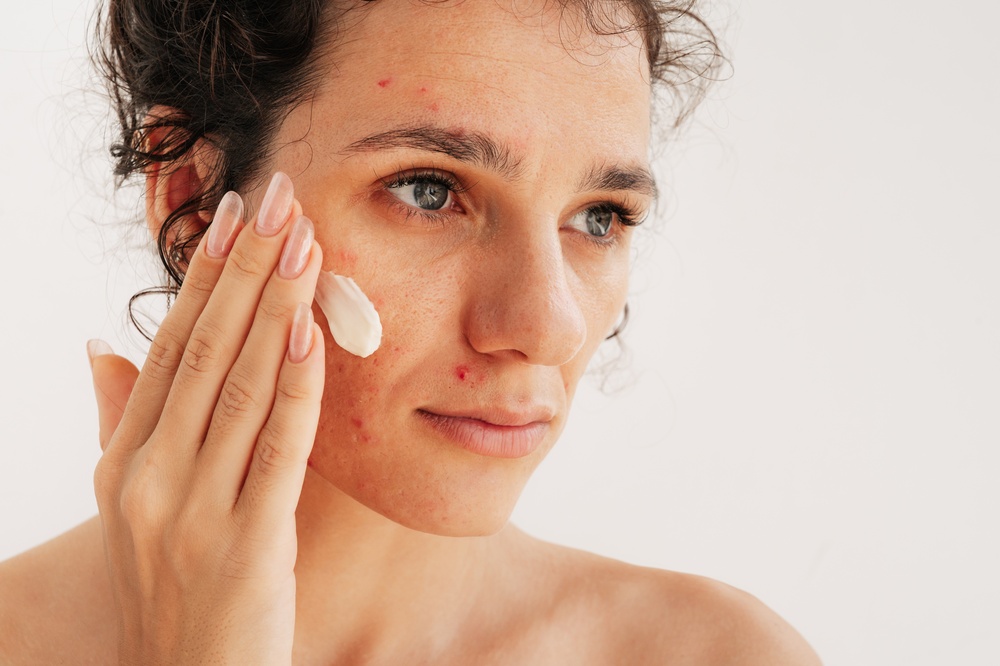
By Plenty of us assume acne packs its bags at the end of uni. Then a cluster of tender spots turns up along the jawline at 38, sitting right beside the first fine lines! It’s frustrating, but it’s far more common than most people think, and the fix usually means fewer products rather than more. Ranges such as Derm Correxion sit in this space because they’re built for skin managing congestion and ageing at once. The pairing of hyaluronic acid and retinol matters too, since hydration is what makes actives tolerable. And for anyone who’s reacted badly before, choosing retinol for sensitive skin and building up slowly beats going hard and hoping.
Why Adult Acne and Fine Lines Show up Together
The research backs up what clinics see daily. A widely cited study in the Journal of the American Academy of Dermatology (Collier et al., 2008) found 35% of women in their 30s and 26% in their 40s reported acne, with women affected far more often than men.
So, why am I getting acne in my 30s? A few things overlap.
Hormonal shifts. Androgens drive sebum production, and as oestrogen and progesterone fluctuate through the late 30s and into perimenopause, the balance tips. That’s why hormonal acne in your 40s clusters along the jaw and neck, often monthly, often as deeper nodules.
Slower cell turnover. Mature skin sheds dead cells less efficiently, so pore linings clog more readily. The same slowdown contributes to dullness and fine lines. One mechanism, two visible problems.
A stressed skin barrier. Adult acne causes in women frequently include over-cleansing, harsh scrubs and stacked actives. Stress hormones, some medications, PCOS, and occlusive hair products all add pressure.
How Retinol Works on Both Concerns
Retinoids carry decades of peer-reviewed data behind them. Vitamin A derivatives normalise how skin cells shed, keeping follicles clearer, while supporting collagen expression deeper down. That dual action is exactly why they suit people dealing with acne and wrinkles at the same time.
So, can you use retinol with acne-prone skin?
Generally yes, and it’s often ideal, though rosacea, eczema or pregnancy change things, so a GP or dermatologist should weigh in. Slowly introducing retinol for sensitive skin works more gradually than prescription tretinoin, which helps tolerance. It’s also important that consistently using a lower dose of retinol is more important than using a high-dose retinol.
For product choice, a night cream handles texture and lines, while encapsulated formats release retinol more gradually.
Two rules you should follow: Start twice weekly, at night, on dry skin. And wear broad-spectrum SPF 50+ every morning, because retinol increases photosensitivity and Australia’s UV index gives no quarter.
Retinol Purging vs a Genuine Breakout
Retinol purging vs breakout comes down to timing, location and appearance.
- Purging appears within 2-6 weeks, in areas already congested, as small surface comedones that clear within days.
- A reaction brings new spots in unfamiliar areas, often with stinging, burning or scaly patches, and it doesn’t settle.
The retinol purge timeline usually runs 4-6 weeks, occasionally 8. Expect early smoothness by 6-8 weeks and real change in tone by around 12, which is where most clinical retinoid studies measure outcomes. Stopping at week three means never seeing the payoff. If skin turns genuinely angry, drop to once weekly, buffer with moisturiser, then rebuild.
Building a Routine That Clears Congestion Without Ageing Your Skin
Keep it short and repeatable.
- Morning: Gentle cleanse, antioxidant serum, lightweight moisturiser, broad-spectrum SPF 50+.
- Evening: Thorough cleanse to remove SPF and makeup, retinol on two to three nights, barrier-supporting moisturiser.
- A proper skin cleansing step in the evening lifts the day’s build-up without stripping your skin.
- Drier, congested mature skin does better with a hyaluronic acid and retinol product than anything marketed at teenagers.
Managing Adult Acne with Derm Correxion
Adult breakouts aren’t a failure, and they don’t need a cupboard full of products. A gentle cleanse, one well-chosen active, daily sun protection and roughly 12 weeks of patience will shift most congestion and uneven texture. Derm Correxion formulations slot neatly into that kind of streamlined routine. Combining hyaluronic acid and retinol keeps hydration up while the active works, which cuts flaking and tightness. Reactive skin should build slowly with retinol for sensitive skin, then hold the course.