

 By
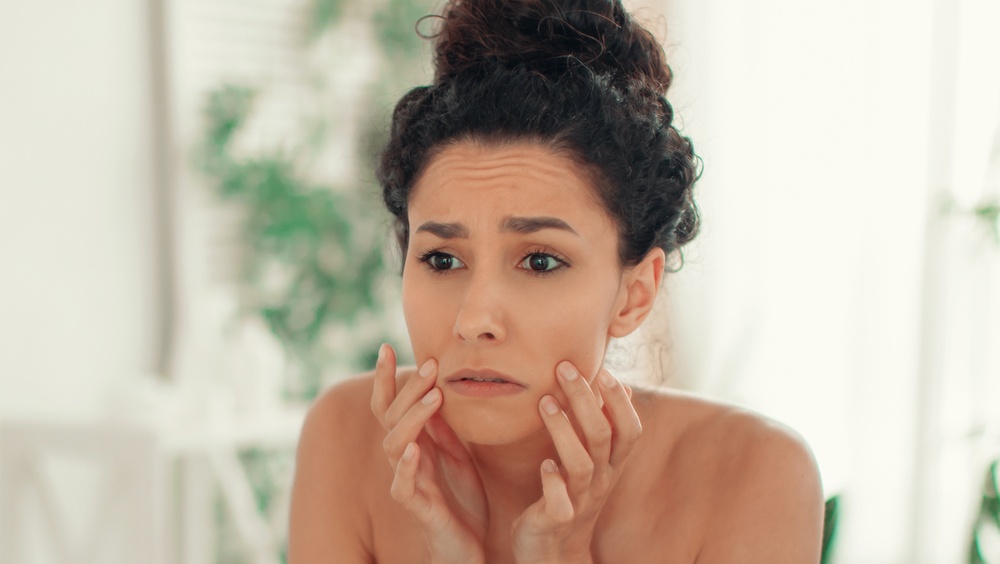
You’ve spent hours scrolling through beauty blogs and reviews to find the best skincare products. You finally treat yourself, hoping to wake up with a plump, dewy glow. You do your nighttime routine, generously applying your brand-new hyaluronic acid serum. But when morning comes, your face feels as tight and dry as a piece of paper. It’s incredibly frustrating when using hyaluronic acid for skin hydration completely backfires. Don’t panic! Loads of people have this issue and there’s a very logical, scientific reason why this happens.
This is how skin hydration works
To understand why your face feels parched, we need to look at how this superstar ingredient operates. Hyaluronic acid is what scientists call a humectant. Think of a humectant as a tiny, eager sponge that attracts and holds onto water. According to research published in the International Journal of Biological Macromolecules, this clever little molecule can bind up to 1000 times its weight in water.
When you apply a humectant, it immediately goes looking for moisture to draw into the top layer of your epidermis. In a perfect world, it pulls this moisture right out of the humid air around you. But if your environment lacks moisture, that little sponge still needs to drink. So, what does it do? It pulls water from the deeper layers of your own tissue. When that water reaches the surface, it simply evaporates into the dry air, leaving you feeling tighter than before.
The climate impact
Where you live plays a massive role in how your cosmetics actually perform. The Australasian College of Dermatologists notes that environmental factors significantly impact our barrier function. If you live up in tropical Queensland, the high humidity provides plenty of water in the air for your humectants to grab. Lucky you!
But if you’re facing the dry heat of Perth or the famously unpredictable, windy days in Sydney, the air is incredibly dry. In these arid conditions, your hyaluronic acid serum has no external moisture to draw from. It will inevitably siphon water out of your deeper dermal layers.
Dehydrated skin or dry skin type?
Let’s clear up a common skincare mix-up. There is a big difference between having a dry complexion and experiencing dehydration. Dryness means you lack oil, whereas dehydration means you lack water. You can actually have an oily complexion that is severely dehydrated! When your humectant pulls water out of your face because the air is too dry, it causes dehydration. You might notice fine lines looking more obvious, a dull appearance, or a tight sensation even if you are prone to breakouts.
Product application matters
Put the bottle down! You absolutely don’t need to throw away your favourite buys. You just need to tweak your application technique and use it consistently over several weeks for the highest impact.
First things first, never apply humectants to a dry face. You must give the sponge some water to hold onto from the very beginning. Cleanse your face and leave it nicely damp. Alternatively, you can generously mist your face with water or a hydrating toner right before application.
Second, you must trap that moisture. Using hyaluronic acid for skin is only half the job. Once you pat the humectant onto damp skin, you must immediately follow up with a rich, occlusive moisturiser. Creams containing ingredients like ceramides, shea butter, or squalane create a physical seal over your face. This protective seal prevents the water from evaporating into the dry Australian air. You can also try a moisturising cream that has hyaluronic acid and all the other good stuff in it already, supporting your skin and saving you from having to do multiple steps!
Skin product formulations are all different
The scientific community categorises this ingredient by molecular weight. High molecular weight sits on the surface of your face, providing an immediate, visible plumping effect. Low molecular weight penetrates deeper but can sometimes trigger inflammation if you are on the sensitive side.
When you are shopping for the best skincare products, look for a clinically proven formula that explicitly states it uses multi-molecular weights. This ensures you get hydration on multiple levels. Check the ingredient list for added barrier-supporting friends like glycerine, panthenol, and niacinamide. These additions help support overall barrier health, making your routine a much smoother experience.
Get the right skin products and create a routine for glowing skin
Achieving a radiant, bouncy complexion takes a little bit of strategy, but it’s so worth it. When used correctly, a hyaluronic acid serum remains an absolute gamechanger for maintaining a youthful, dewy appearance. Just remember that relying on hyaluronic acid for skin means you have to work with your environment, not against it. Always keep your face damp before application and lock that goodness in with a robust moisturiser. By understanding the science behind the best hydrating skincare products, you can finally banish that tight feeling and enjoy the truly hydrated, glowing results you deserve.